
The Ecommerce Fulfilment Process Explained
Ecommerce fulfilment is the operational process that connects your online store to your customer's front door. When a shopper completes checkout on your website or marketplace listing, a chain of events is triggered that results in their order being picked from warehouse shelves, packed to your specifications and shipped via a carrier for delivery. Understanding this process helps online retailers optimise their operations and choose the right fulfillment partner.
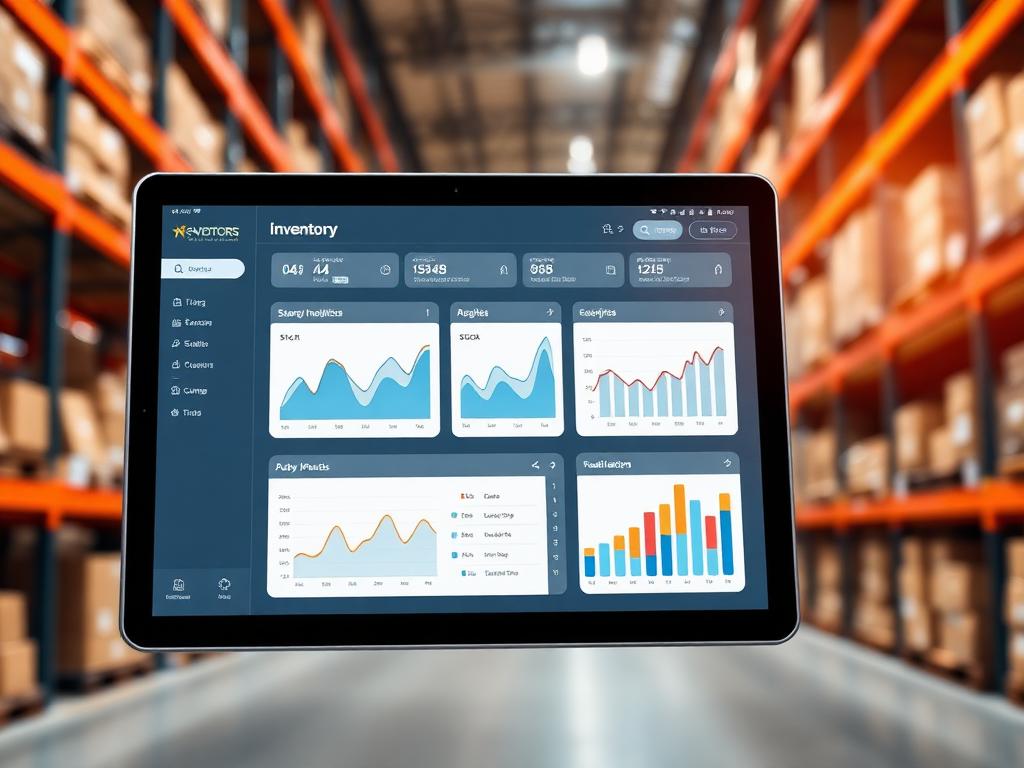
The ecommerce fulfillment process begins long before an order is placed. It starts with receiving your inventory at the fulfilment centre, cataloguing every product and storing it in optimised warehouse locations. Your ecommerce platform is connected via API integration so that orders flow directly into the warehouse management system. Inventory levels sync back to your store in real time, preventing overselling and keeping your product availability accurate.
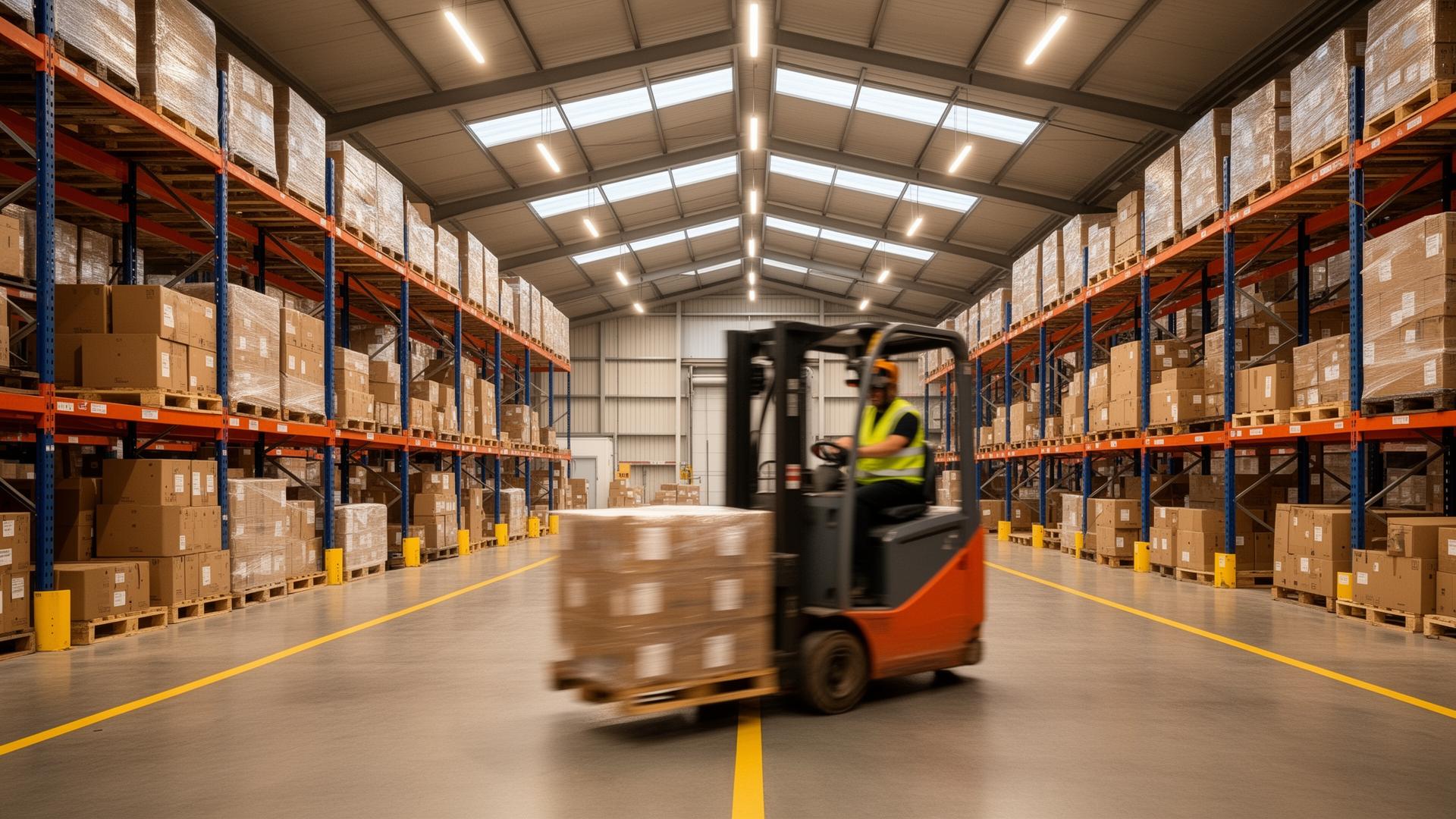
Once an order arrives in the fulfilment system, it enters a carefully designed workflow. Pick lists are generated with optimised routes through the warehouse. Each item is scanned to verify it matches the order. Products are packed according to your brand guidelines with appropriate protection. A shipping label is generated, the carrier collects the parcel, and tracking information flows back to you and your customer. The entire process can happen within hours of the order being placed.
Ecommerce Fulfilment Step by Step
Platform Integration
Your online store connects to the fulfilment centre's WMS via API. Shopify, WooCommerce, Amazon and other platforms are supported with real-time data sync.
Order Flow
Customer orders automatically appear in the fulfilment queue. Multi-channel orders from different platforms are managed in a unified workflow.
Pick, Pack, Ship
Items are picked from storage, verified by barcode, packed with branded materials and labelled for the selected carrier service.
Track & Deliver
Tracking numbers sync to your platform and are sent to customers. The carrier delivers and captures proof of delivery.
Key Elements of Ecommerce Fulfilment
Inventory Synchronisation
Real-time stock levels across all sales channels prevent overselling and maintain accurate product availability.
Automated Order Processing
Orders flow directly from your platform to the fulfilment centre without manual intervention or re-keying.
Carrier Optimisation
Automated carrier selection based on parcel dimensions, weight, destination and service requirements.
Customer Communication
Automated dispatch confirmations and tracking updates keep your customers informed throughout delivery.
Returns Workflow
Structured returns processing including receipt, inspection, restocking and refund triggers.
Performance Analytics
Data on order volumes, dispatch speed, accuracy rates and carrier performance for continuous improvement.
Ecommerce Business Types
DTC Brands
Direct-to-consumer brands selling through their own branded website or app.
Explore dtc brands fulfilment detailsMarketplace Sellers
Businesses selling on Amazon, eBay, Etsy and other online marketplaces.
Omnichannel Retailers
Retailers selling through multiple channels including online, in-store and wholesale.
Dropship Brands
Businesses transitioning from dropshipping to holding their own inventory for faster delivery.
Ecommerce Fulfilment FAQs
Every fulfilment operation is different. We provide tailored quotations based on your stock profile, order volume and distribution model.