
AI in Warehouse Management: Trends Shaping 2026
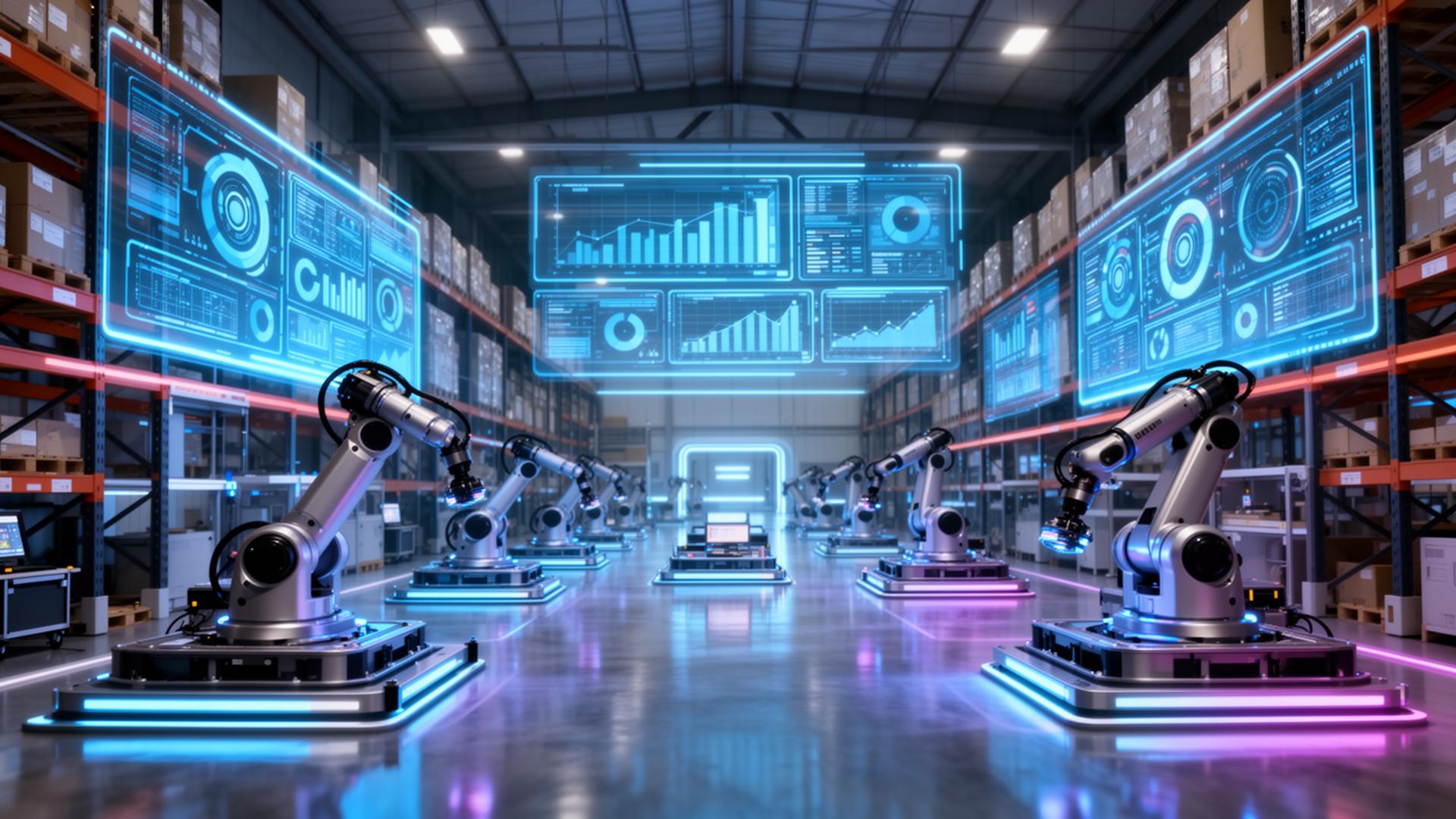
AI Is Already in Your Warehouse
Artificial intelligence in warehousing isn't science fiction — it's already embedded in the software and systems that modern fulfilment operations use daily. The question isn't whether AI will transform warehousing, but how quickly.
Current AI Applications
1. Demand Forecasting
AI-powered forecasting analyses historical sales, seasonality, marketing calendars, weather patterns, and external data to predict demand more accurately than traditional methods.
Impact: 20–30% reduction in stockouts and overstock situations.
How it works: Machine learning models identify patterns that humans miss — correlations between weather, social media trends, and purchasing behaviour. They continuously improve as more data is gathered.
2. Pick Path Optimisation
AI algorithms calculate the most efficient route through the warehouse for each pick run, considering:
- Item locations
- Order priority
- Worker position
- Congestion patterns
Impact: 15–25% improvement in picks per hour.
3. Slotting Optimisation
AI determines the ideal warehouse location for each product based on:
- Pick frequency
- Order correlation (items often ordered together should be stored nearby)
- Size and weight
- Seasonal demand changes
Impact: 10–20% reduction in average pick time.
4. Labour Planning
AI analyses order patterns to predict staffing needs by day, shift, and zone:
- Anticipates volume spikes before they happen
- Recommends optimal shift schedules
- Balances workload across warehouse zones
- Reduces overtime costs
5. Quality Control
Computer vision systems inspect:
- Incoming goods for damage
- Pick accuracy (right item, right quantity)
- Packing quality
- Label accuracy
Impact: Near-zero error rates in automated inspection zones.
Emerging Trends for 2026
Autonomous Mobile Robots (AMRs)
Unlike traditional automation (fixed conveyors, AS/RS), AMRs navigate dynamically through the warehouse:
- Can be deployed incrementally (start with 2–3 robots)
- No infrastructure changes needed
- Work alongside human staff
- Continuously optimise their routes
Digital Twins
A digital twin is a virtual replica of your physical warehouse. AI runs simulations on the digital twin to:
- Test layout changes before physical implementation
- Model peak season scenarios
- Optimise material flow
- Predict bottlenecks
Predictive Maintenance
AI monitors warehouse equipment (forklifts, conveyors, dock levellers) to predict failures before they happen:
- Reduces unplanned downtime
- Extends equipment life
- Schedules maintenance during quiet periods
Natural Language Interfaces
Warehouse workers will increasingly interact with WMS systems using voice commands and natural language, making technology accessible without extensive training.
What This Means for UK Businesses
You don't need to build AI capabilities in-house. The most practical approach for small and mid-sized businesses is to work with fulfilment and warehousing providers whose systems incorporate AI:
- Modern WMS platforms with built-in AI features
- Carrier selection algorithms that learn from performance data
- Demand forecasting tools that improve over time
- Reporting dashboards that surface actionable insights
At The Fulfilment Centre, our technology platform leverages data-driven optimisation to continuously improve warehouse operations for our clients.
Want to benefit from AI-powered fulfilment? Contact us to learn how our technology improves your operation.
Ready to Optimise Your Fulfilment?
Speak to The Fulfilment Centre Ltd about improving your UK fulfilment.
Get a Quote