
B2B Distribution in the UK: A Complete Guide for Importers
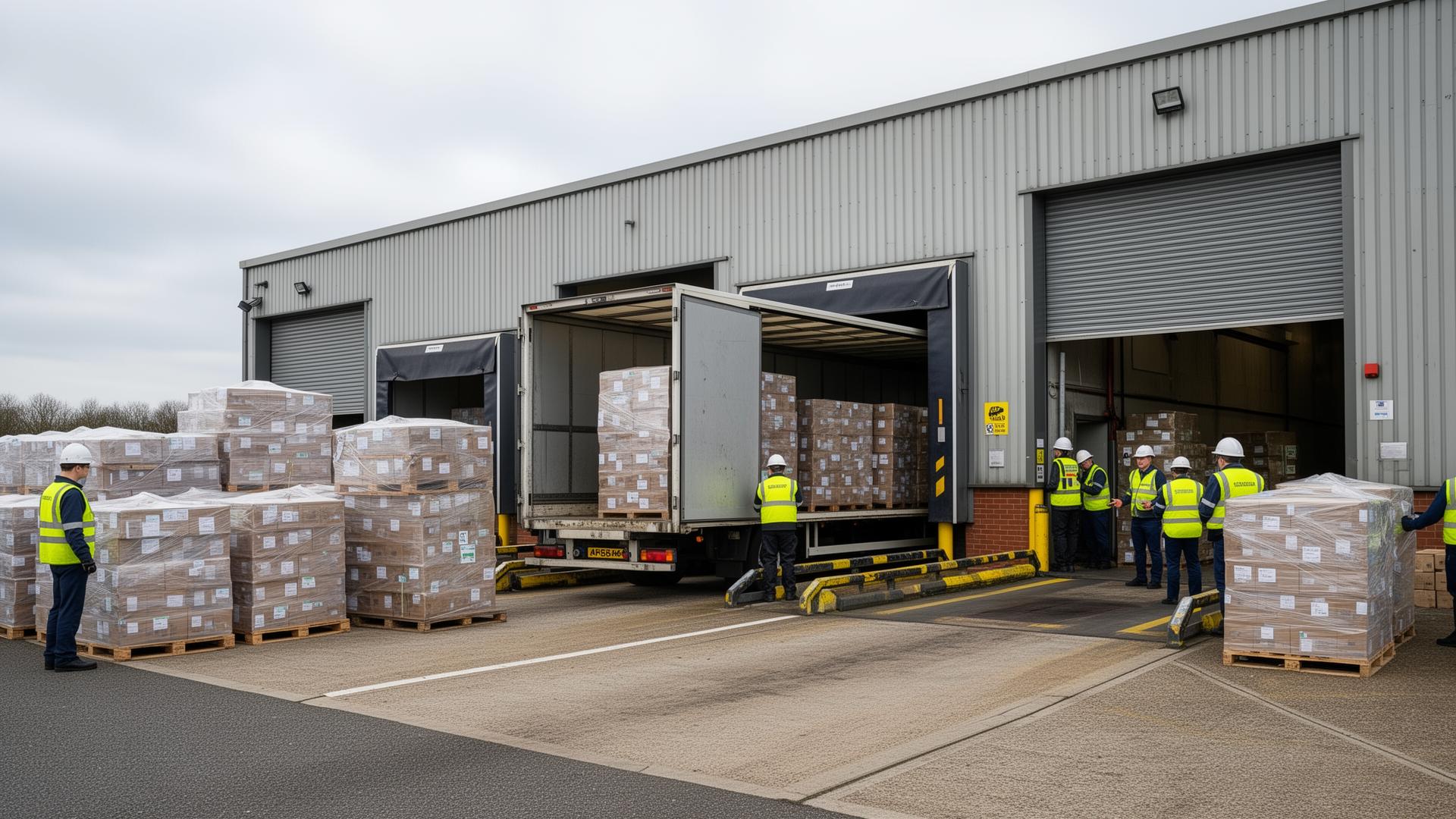
Why B2B Distribution Matters for UK Importers
If you import goods into the UK for onward sale to retailers, wholesalers, or trade customers, your distribution operation is the bridge between your supply chain and your revenue. Get it right, and you deliver on time, maintain margins, and build strong buyer relationships. Get it wrong, and you face chargebacks, lost accounts, and eroded profitability.
This guide explains how B2B distribution works in the UK, what importers need to consider, and how to build a distribution operation that scales with your business.
How B2B Distribution Differs from D2C
Before diving into the specifics, it is worth clarifying how business-to-business distribution differs from direct-to-consumer fulfilment.
| Aspect | B2B Distribution | D2C Fulfilment |
|---|---|---|
| Order size | Pallets or cases | Individual items |
| Delivery | Scheduled slots, loading bays | Doorstep, parcel carriers |
| Compliance | Retailer-specific requirements | Consumer packaging standards |
| Returns | Commercial negotiations | Consumer rights regulations |
| Frequency | Weekly or monthly | Daily |
B2B distribution demands different infrastructure, processes, and relationships compared to consumer fulfilment. Many 3PL providers specialise in one or the other — choosing a partner experienced in both gives you the flexibility to serve all channels from a single warehouse.
The B2B Distribution Process
A typical B2B distribution flow for an importer looks like this:
Step 1: Goods Arrive at the UK Warehouse
Imported goods arrive by container at a UK port — typically Felixstowe, Tilbury, or Southampton. The container is transported to the warehouse for devanning (unloading), where each pallet or carton is checked against the packing list and booked into the warehouse management system.
Step 2: Storage and Inventory Management
Goods are stored on pallets or in racking until orders are received. Good inventory management at this stage is critical. You need real-time visibility of stock levels, batch numbers (if applicable), and ageing data to manage shelf life and first-in-first-out (FIFO) rotation.
Step 3: Order Processing
When a customer places an order — whether through EDI, email, or a B2B portal — the warehouse picks and prepares the order. B2B orders often require:
- Pallet building to specific configurations
- Retailer-compliant labelling (GS1 barcodes, SSCC labels)
- Advance Shipping Notices (ASNs) sent electronically to the buyer
- Specific packaging or wrapping requirements
Step 4: Delivery and Proof of Receipt
Pallets are loaded onto vehicles for delivery to the customer's warehouse, distribution centre, or retail store. Deliveries are typically booked into specific time slots and require proof of delivery documentation.
Common delivery methods:
- Dedicated vehicles for full loads
- Pallet networks (Palletways, Palletline, TPN) for smaller consignments
- Groupage services combining multiple deliveries on one vehicle
Step 5: Invoicing and Reconciliation
After delivery, the importer invoices the customer. Any discrepancies — short deliveries, damaged goods, or incorrect labelling — can result in chargebacks or deductions. Accurate picking and thorough quality checks at the warehouse stage are your best defence against these.
Key Challenges for Importers
Retailer Compliance
Major UK retailers (Tesco, Sainsbury's, Argos, Amazon Vendor Central) have strict delivery and labelling requirements. Non-compliance results in chargebacks that can amount to hundreds or thousands of pounds per order.
Your warehouse partner must understand these requirements and have processes in place to meet them consistently.
Managing Multiple Customers
Importers often supply a mix of large retailers, independent shops, and online marketplaces. Each customer may have different:
- Order formats and communication methods
- Labelling and packaging requirements
- Delivery scheduling preferences
- Payment terms and dispute processes
A good distribution partner will manage these variations on your behalf.
Cost Control
B2B distribution costs can escalate without careful management. Key areas to monitor include:
- Storage costs — avoid holding excess stock that ties up capital and warehouse space
- Transport costs — consolidate deliveries where possible and negotiate volume rates
- Compliance costs — invest in getting labelling right first time to avoid chargebacks
- Returns and damages — minimise through proper packaging and handling
Understanding your total cost per order is essential for maintaining margins.
How to Choose a B2B Distribution Partner
When evaluating potential partners, consider:
- Experience with your product type — do they handle similar goods for other importers?
- Retailer compliance capability — can they produce the labels, ASNs, and documentation your customers require?
- Geographic coverage — can they deliver efficiently to your customer base across the UK?
- Technology — do they offer real-time stock visibility, order tracking, and electronic data interchange?
- Scalability — can they handle growth in volumes without compromising service?
Build a Reliable UK Distribution Operation
At The Fulfilment Centre, we specialise in B2B distribution for UK importers. From container devanning and pallet storage to retailer-compliant picking and nationwide delivery, we manage the entire process so you can focus on growing your business.
Ready to Optimise Your Fulfilment?
Speak to The Fulfilment Centre Ltd about improving your UK fulfilment.
Get a Quote