
How to Prepare for Black Friday and Peak Season Fulfilment
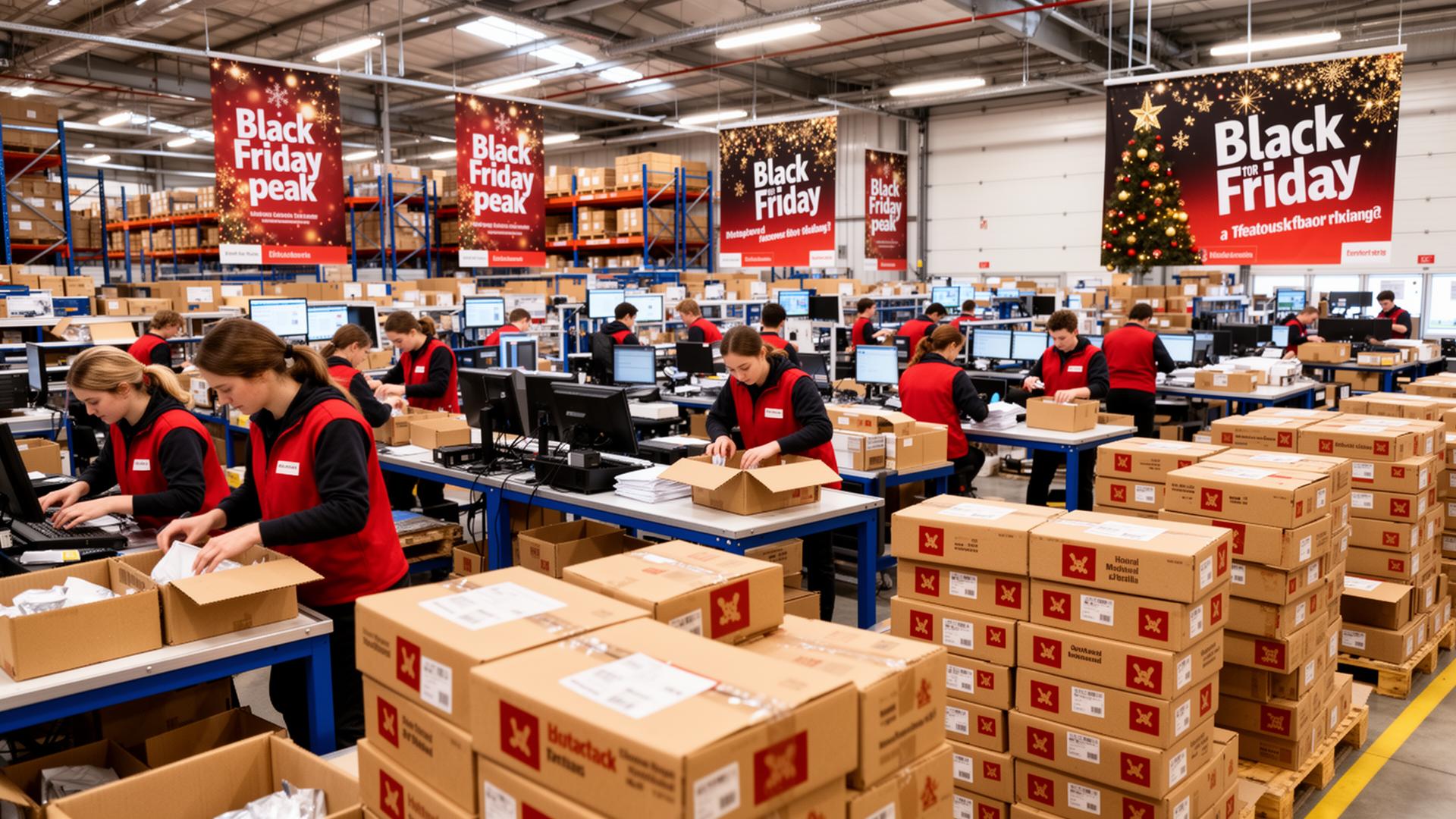
Peak Season Will Expose Every Weakness in Your Operation
Black Friday, Cyber Monday, and the Christmas trading period represent the most intense weeks in the UK ecommerce calendar. For many businesses, November and December account for 30–50% of annual revenue.
The brands that thrive during peak are those that prepare methodically. The brands that struggle are those that assume their normal operation will scale without planning.
This guide provides a practical, timeline-based plan for preparing your fulfilment operation for peak season.
The Peak Season Preparation Timeline
September: Plan and Forecast
Peak preparation starts earlier than most businesses realise. By September, you should have:
Stock planning:
- Finalised your demand forecast by SKU based on last year's sales data, marketing plans, and growth targets
- Placed orders with suppliers for peak stock, accounting for lead times
- Identified your top 20 selling SKUs (these need priority in storage positioning and stock availability)
Warehouse planning:
- Confirmed additional warehouse space requirements with your provider
- Agreed staffing levels for November and December
- Tested all system integrations (ecommerce platform ↔ WMS ↔ carrier systems) under load
Carrier planning:
- Confirmed carrier capacity for peak volumes
- Agreed cut-off times for last dispatch dates before Christmas
- Identified backup carriers in case of service disruptions
October: Build and Test
Stock build:
- Peak stock should be arriving at the warehouse throughout October
- Monitor inbound deliveries against your forecast — chase any delayed orders
- Ensure your fastest-selling SKUs are positioned in easily accessible locations within the warehouse
Systems:
- Process a batch of test orders through the full cycle to verify everything works
- Confirm that inventory levels sync correctly between your sales channels and the WMS
- Test returns processing workflows — returns volume will spike in January
Contingency planning:
- What happens if a carrier fails? Agree backup arrangements
- What if a key product sells out faster than expected? Identify reorder options
- What if the warehouse reaches capacity? Confirm overflow arrangements
November: Execute
This is not the time for changes. Your systems, stock, and processes should be locked in.
Daily management:
- Monitor order volumes and dispatch rates daily
- Track carrier collection times — delays compound quickly during peak
- Keep communication channels open with your warehouse provider
- Watch stock levels on your top sellers and trigger reorders before stockouts
Black Friday / Cyber Monday specific:
- Ensure your website can handle traffic spikes (this is outside fulfilment but affects order flow)
- Brief your warehouse on any promotional bundles, gift sets, or special packaging requirements
- Confirm dispatch cut-offs for any time-limited promotions
December: Protect and Recover
Early December:
- Focus on maintaining dispatch accuracy and speed as volumes remain high
- Monitor carrier performance — December is when carrier networks are most strained
- Communicate last order dates clearly to customers
Mid-to-late December:
- Volumes decrease after the last guaranteed delivery dates (typically 18–21 December for standard delivery)
- Begin planning January returns processing
- Review any remaining stock for post-Christmas promotions
Common Peak Season Mistakes
Starting Too Late
If you begin peak planning in November, you have already lost. Warehouse space, carrier capacity, and staffing are all committed by then.
Underestimating Returns
Peak sales generate peak returns. January return volumes can be 2–3 times normal levels. Ensure your warehouse has capacity and staff allocated for returns processing in January and February.
Not Testing Systems
A system integration that works at 100 orders per day may fail at 1,000. Test under realistic peak volumes before November.
Ignoring Carrier Capacity
Carriers have finite capacity. If you have not pre-booked your volumes, you may face collection delays or surcharges during the busiest weeks.
Launching New Products During Peak
Peak season is not the time to introduce untested products, new packaging, or system changes. Focus on executing what you know works.
What Your Fulfilment Provider Should Do
A professional fulfilment partner should proactively engage you on peak planning. Expect them to:
- Request your peak forecast 2–3 months in advance
- Confirm space allocation and staffing plans
- Provide a peak season schedule with any changes to cut-off times or operating hours
- Offer extended dispatch windows during key trading days
- Provide daily performance reporting during peak
If your provider does not initiate this conversation by September, raise it yourself. If they cannot articulate a clear peak plan, consider whether they can handle your volumes.
Peak Season Metrics to Track
| Metric | Target |
|---|---|
| Same-day dispatch rate | 95%+ |
| Pick accuracy | 99.5%+ |
| Average order processing time | Under 4 hours |
| Carrier on-time delivery | 95%+ |
| Stock availability (top 20 SKUs) | 99%+ |
Prepare for Peak With TFC
At The Fulfilment Centre, peak season planning is built into our service. We begin forecasting discussions in September, confirm capacity in October, and operate extended hours through November and December.
With flexible warehousing, multi-carrier dispatch, and transparent pricing, we ensure your peak season runs smoothly.
Ready to Optimise Your Fulfilment?
Speak to The Fulfilment Centre Ltd about improving your UK fulfilment.
Get a Quote