
Cold Chain Logistics in the UK: What Every Shipper Should Know
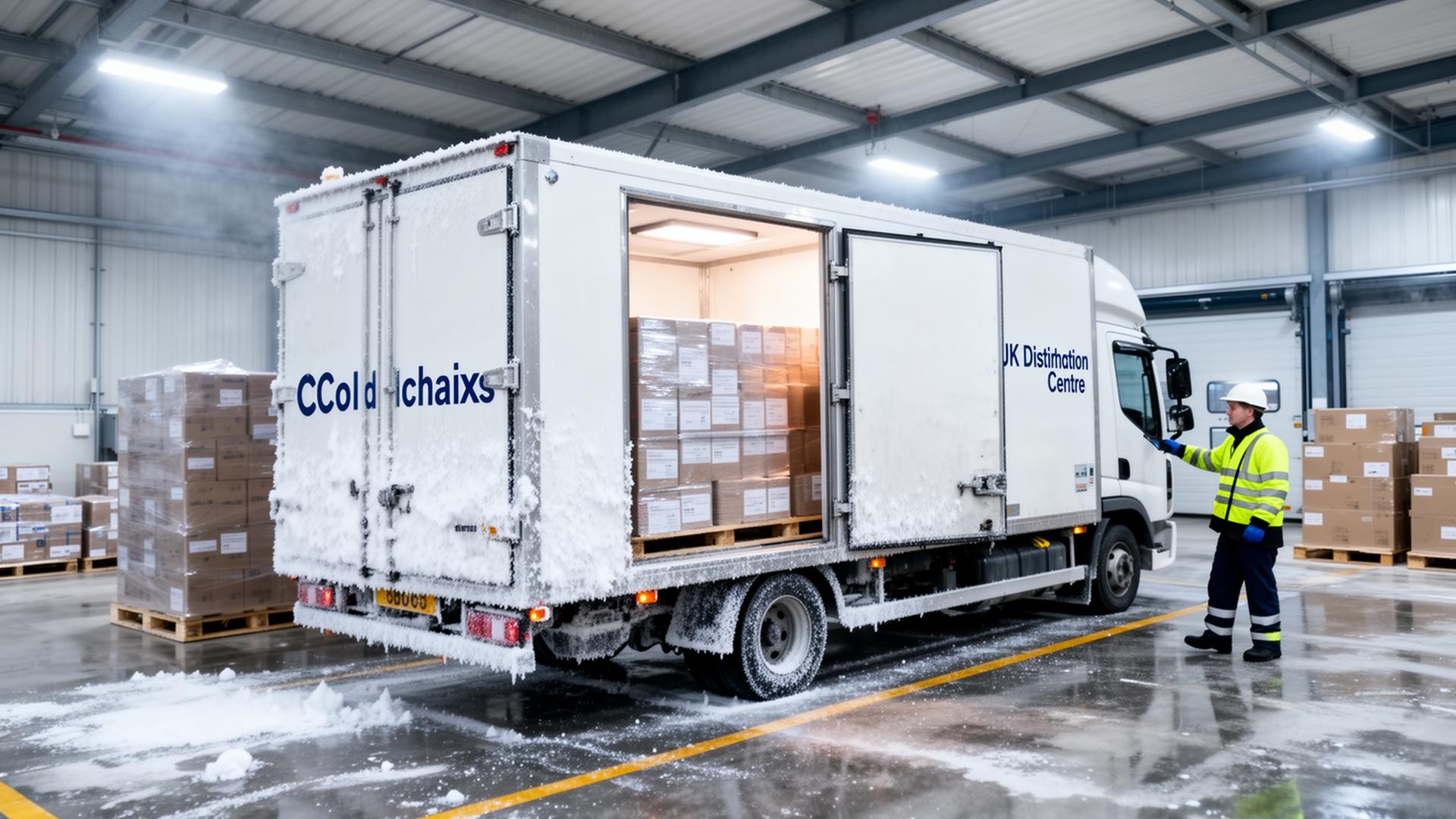
What Is Cold Chain Logistics?
Cold chain logistics is the management of temperature-sensitive products throughout the supply chain — from manufacturer to end consumer. Every link in the chain must maintain the required temperature range, or product quality (and safety) is compromised.
Products Requiring Cold Chain
| Category | Temperature Requirement | Examples |
|---|---|---|
| Fresh food | 2–8°C | Dairy, meat, fresh produce |
| Frozen food | -18°C or below | Frozen meals, ice cream, seafood |
| Pharmaceuticals | 2–8°C (most common) | Vaccines, biologics, insulin |
| Cosmetics | Below 25°C (some) | Natural/organic skincare |
| Chemicals | Varies | Laboratory reagents, adhesives |
| Flowers | 2–5°C | Cut flowers, plants |
The Cold Chain: Every Link Matters
1. Manufacturing/Processing
Products must be at the correct temperature before entering the supply chain. Temperature monitoring starts here.
2. Storage
Temperature-controlled warehousing with continuous monitoring, alarm systems, and backup power.
3. Transportation
Refrigerated vehicles (reefers) maintain temperature during transit. Key considerations:
- Vehicle pre-cooling before loading
- Door-opening protocols to minimise temperature excursions
- Multi-temperature vehicles for mixed loads
- Real-time temperature monitoring during transit
4. Last Mile
The most vulnerable link. Options include:
- Insulated packaging with gel packs or dry ice
- Timed delivery slots to minimise doorstep exposure
- Temperature-indicating labels that show if the product has been compromised
UK Compliance Requirements
Food
- Food Safety Act 1990
- Food Hygiene Regulations
- HACCP procedures
- BRC certification (increasingly required by retailers)
- Temperature records maintained and available for inspection
Pharmaceuticals
- GDP (Good Distribution Practice) guidelines
- MHRA licensing
- Temperature mapping and validation
- Documented temperature excursion procedures
Packaging for Cold Chain
| Solution | Maintains Temp For | Cost | Best For |
|---|---|---|---|
| Insulated box + gel packs | 24–48 hours | £2–£5 | D2C food/pharma |
| Dry ice | 48–72 hours | £5–£10 | Frozen products |
| Phase-change materials | 48–96 hours | £8–£15 | High-value pharma |
| Insulated pallet covers | 4–8 hours | £10–£20 | B2B pallet deliveries |
Choosing a Cold Chain Partner
Key questions:
- What temperature ranges can you maintain?
- How is temperature monitored and recorded?
- What happens during a temperature excursion?
- What certifications do you hold?
- Can you provide temperature records for each shipment?
- What backup systems are in place (generators, redundant cooling)?
Cost Considerations
Cold chain logistics costs 2–4x more than ambient logistics due to:
- Energy costs for refrigeration
- Specialist vehicles and equipment
- Compliance and monitoring requirements
- Higher packaging costs
- Tighter delivery windows
However, the cost of a cold chain failure — product recalls, regulatory action, customer harm — far outweighs the premium for doing it right.
For ambient and general merchandise, The Fulfilment Centre's UK warehouse network provides reliable warehousing and fulfilment services. For specialist cold chain requirements, we can recommend trusted partners.
Need warehousing or fulfilment support? Contact our team to discuss your requirements.
Ready to Optimise Your Fulfilment?
Speak to The Fulfilment Centre Ltd about improving your UK fulfilment.
Get a Quote