
Why Ecommerce Brands Need Multi-Carrier Shipping Strategies
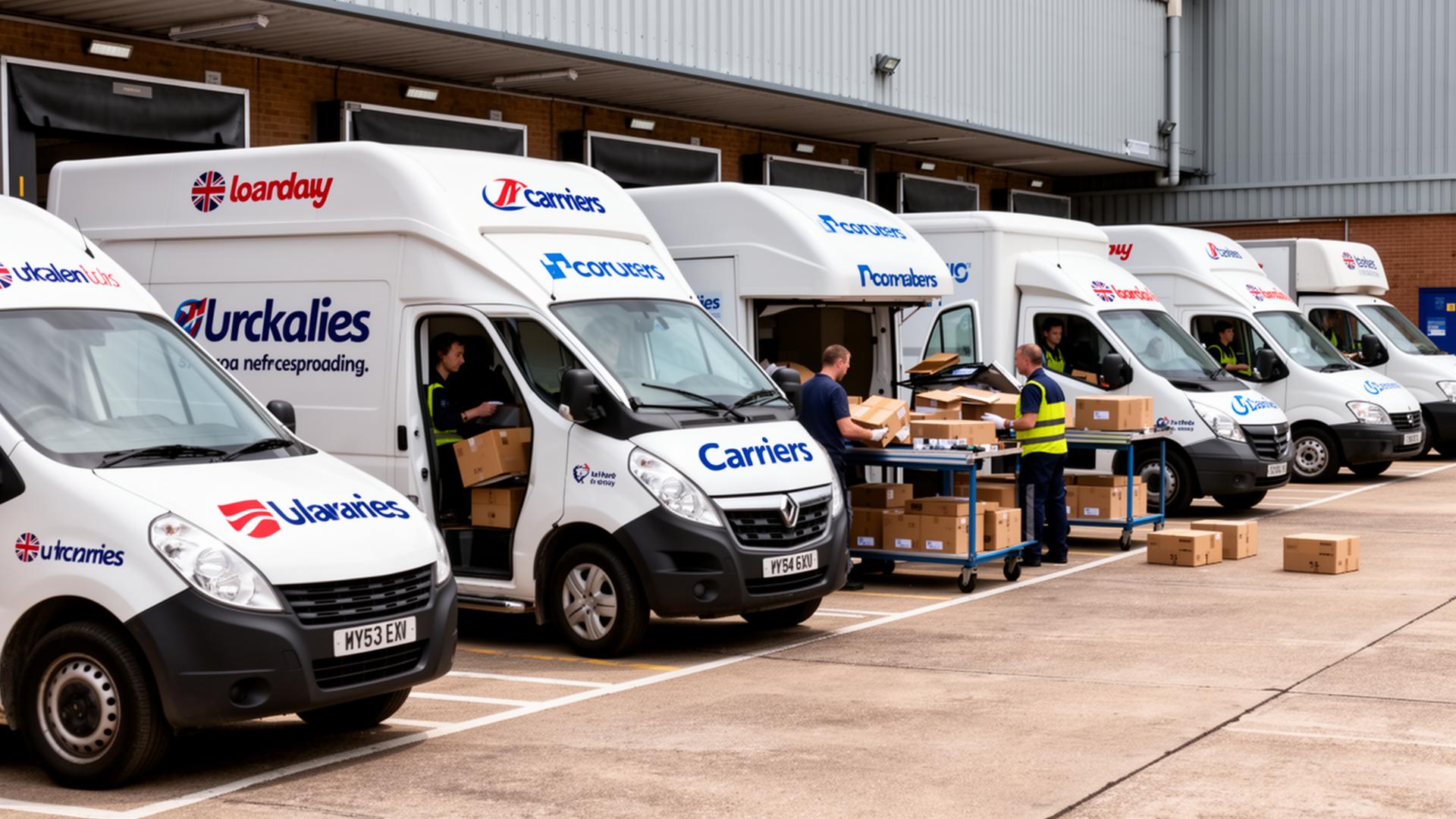
The Single-Carrier Trap
Most small and mid-sized ecommerce brands start with a single carrier — usually Royal Mail or a next-day service like DPD. It is simple, familiar, and requires only one account to manage.
But as your order volumes grow, relying on one carrier becomes both a financial liability and an operational risk. A multi-carrier strategy — using different carriers for different order types, destinations, and service levels — can significantly reduce your shipping costs while improving delivery reliability.
This guide explains why multi-carrier matters and how to implement it effectively.
Why Single-Carrier Fails at Scale
Cost Inefficiency
No single carrier offers the best rate for every parcel type. One may be cheapest for small, light parcels. Another may be best for heavy items. A third may offer superior rates for next-day delivery.
By using only one carrier, you are guaranteed to overpay on a proportion of your shipments. By routing orders intelligently across multiple carriers based on weight and service level, businesses typically achieve meaningful savings on their total carrier spend.
Service Risk
Carriers experience disruptions: industrial action, vehicle breakdowns, depot closures, weather events, and capacity constraints during peak season. If your entire operation depends on one carrier, a disruption halts all your deliveries.
In December 2022, Royal Mail industrial action left thousands of ecommerce brands unable to ship. Those with backup carriers continued dispatching. Those without lost days of trading.
Customer Expectations
Different customers want different things:
- Some want the cheapest delivery option
- Some want next-day or named-day delivery
- Some want a specific carrier they trust
- Business customers may need pallet delivery rather than parcel
A single carrier cannot serve all these preferences.
Building a Multi-Carrier Strategy
Step 1: Analyse Your Order Profile
Before selecting carriers, understand your order data:
- What is the distribution of parcel weights and dimensions?
- What percentage of orders go next-day vs standard?
- What are your top destination postcodes?
- What is your return rate by carrier?
- What percentage of deliveries fail on first attempt?
This data reveals which carrier strengths match your specific needs.
Step 2: Select Your Carrier Mix
A typical UK multi-carrier strategy might include carriers suited to different needs:
| Carrier Type | Best For |
|---|---|
| Economy parcel service | Small, light parcels, standard delivery |
| Budget carrier | Medium parcels, cost-effective service |
| Premium tracked carrier | Next-day, tracked, premium experience |
| Heavy/bulky specialist | Oversized or heavy items |
| Pallet networks | Case quantities, B2B distribution |
You do not need five carriers from day one. Start with two — one for economy and one for express — and add more as your volumes justify the complexity.
Step 3: Define Routing Rules
Carrier selection should be automated, not manual. Define rules based on:
- Parcel weight/dimensions — route small parcels to the cheapest carrier and heavy items to a specialist
- Service level — customer selects standard or express at checkout; the system routes accordingly
- Destination — use carriers with strong coverage in specific regions (e.g., different carriers for Scottish Highlands vs London)
- Order value — you might offer free next-day on higher-value orders using a premium carrier, while lower-value orders go standard
These rules should be configured in your fulfilment provider's WMS or shipping management system.
Step 4: Negotiate Rates
Volume is leverage. As your shipments grow, negotiate with each carrier:
- Request volume-tiered pricing (better rates as you ship more)
- Compare rates annually — carrier pricing changes frequently
- Use competitive quotes to negotiate with your preferred carrier
- Consider fuel surcharge caps to protect against cost fluctuations
Your 3PL provider should handle carrier negotiations on your behalf, passing volume discounts through to you.
Step 5: Monitor Performance
Track each carrier's performance monthly:
- On-time delivery rate — percentage of parcels delivered within the promised timeframe
- First-attempt delivery rate — percentage of parcels delivered without requiring a redelivery
- Damage rate — percentage of parcels arriving damaged
- Customer complaints — complaints linked to specific carriers
- Cost per parcel — actual cost including surcharges, returns, and redeliveries
Use this data to adjust your routing rules. If a carrier's performance declines, route fewer parcels through them until the issue is resolved.
The Role of Your Fulfilment Provider
Managing multiple carrier relationships, system integrations, and routing rules is complex. This is one of the key advantages of using a professional fulfilment provider:
- Pre-negotiated rates — 3PLs ship high volumes across multiple clients, securing rates that individual brands cannot achieve
- Multi-carrier integration — the WMS handles label generation, tracking, and collection scheduling for all carriers
- Automated routing — rules-based carrier selection without manual intervention
- Performance data — aggregated reporting across all carriers
- Resilience — if one carrier fails, orders are automatically rerouted to alternatives
Common Mistakes to Avoid
- Choosing carriers on price alone — the cheapest carrier with a high damage rate costs more than a slightly pricier one with excellent reliability
- Not testing before committing — trial a new carrier with a small volume before routing significant traffic
- Ignoring customer feedback — if customers consistently complain about a carrier, listen and adjust
- Over-complicating — three carriers covers most needs. Five or six adds complexity without proportional benefit
Optimise Your Carrier Strategy
At The Fulfilment Centre, we manage multi-carrier dispatch as standard. Our fulfilment operation integrates with all major UK carriers, with automated routing to ensure every parcel goes via the most cost-effective and reliable service.
Combined with transparent pricing and real-time tracking, we give your customers the delivery experience they expect.
Every fulfilment operation is different. We provide tailored quotations based on your stock profile, order volume and distribution model.
Ready to Optimise Your Fulfilment?
Speak to The Fulfilment Centre Ltd about improving your UK fulfilment.
Get a Quote