
Building an Omnichannel Fulfilment Strategy for 2026
What Is Omnichannel Fulfilment?
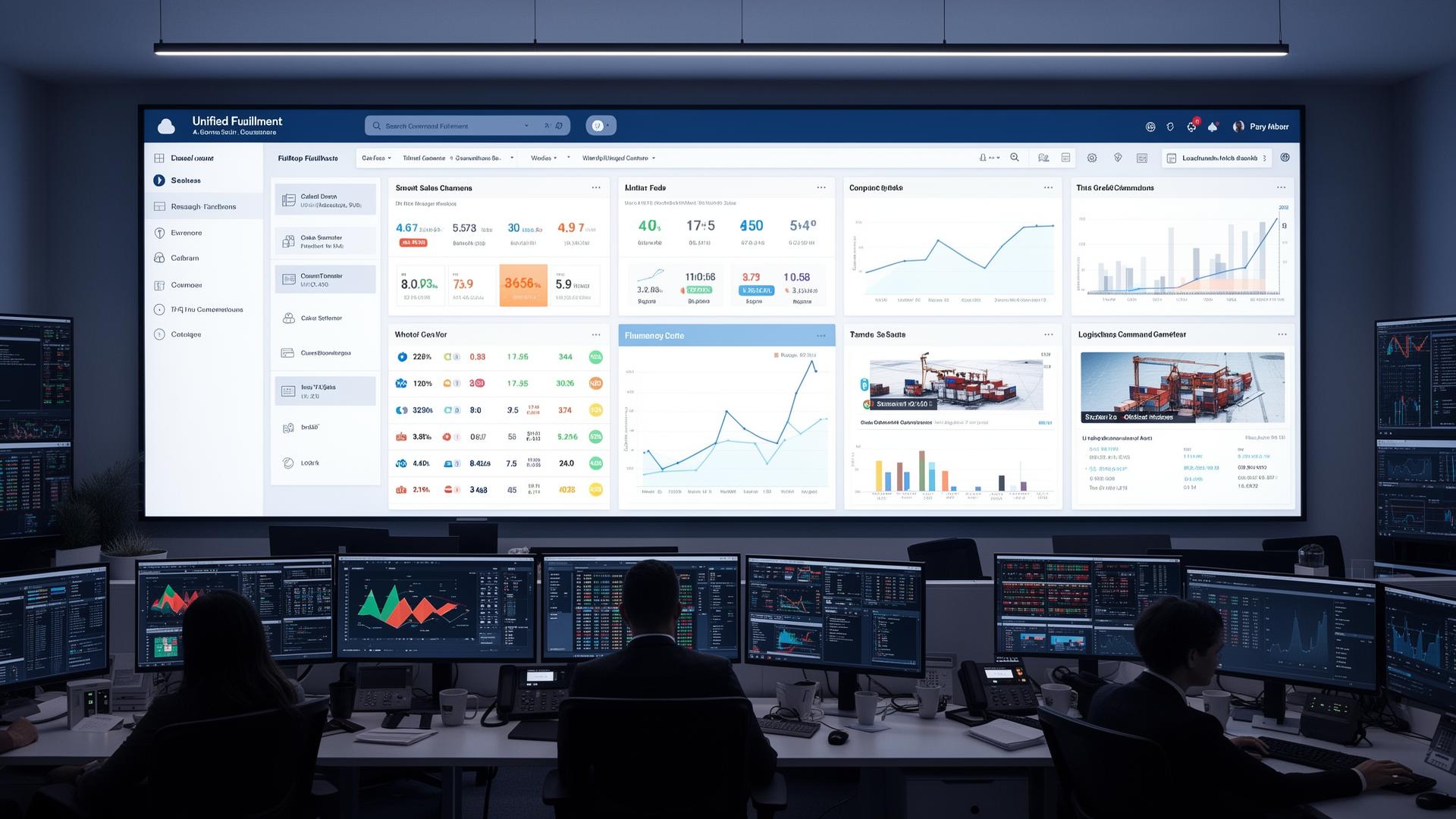
Omnichannel fulfilment means serving all your sales channels — website, Amazon, eBay, wholesale accounts, retail stores, social commerce — from a unified operation. One inventory pool, one warehouse, one set of processes.
The alternative — siloed fulfilment per channel — leads to split inventory, higher costs, and complexity that grows exponentially with each new channel.
Why It Matters in 2026
The average UK ecommerce brand now sells on 3–5 channels. Each channel has different:
- Order profiles (single items vs bulk)
- Packaging requirements (branded vs plain)
- Carrier preferences (next-day vs economy)
- Compliance needs (marketplace rules, retailer specs)
- Return processes
Without a unified approach, you need separate processes, separate stock, and often separate teams for each channel. That's expensive and error-prone.
The Unified Fulfilment Model
Single Inventory Pool
All stock lives in one warehouse. Your WMS allocates inventory across channels in real time:
- No overselling
- No stranded stock on a slow channel
- Simpler forecasting
- One goods-in process
Channel-Specific Processing
While inventory is unified, order processing adapts per channel:
| Channel | Packaging | Carrier | Compliance |
|---|---|---|---|
| Own website | Branded | Multi-carrier (customer choice) | Your standards |
| Amazon FBM | Plain/Amazon rules | Prime-eligible carrier | Amazon metrics |
| eBay | Standard | Tracked service | eBay requirements |
| Wholesale/B2B | Plain, palletised | Pallet network | Retailer specs, ASNs |
| Social commerce | Branded | Fast carrier | Platform requirements |
Unified Returns
Returns from all channels funnel back to one processing centre:
- Grade and restock once
- Maintain one returns workflow
- Single view of return reasons and rates
- Consistent customer experience
Technology Requirements
Essential
- Multi-channel WMS — manages inventory across all channels from one system
- Channel integrations — API connections to each sales platform
- Real-time stock sync — prevents overselling (critical for marketplaces)
- Automated carrier selection — different rules per channel
Nice to Have
- Order routing rules — priority handling for time-sensitive channels
- Analytics dashboard — per-channel performance metrics
- Demand forecasting — predicts needs across all channels combined
Common Omnichannel Challenges
- Stock allocation conflicts — who gets the last 5 units?
- Different packaging per channel — requires clear process rules
- Varying SLAs — Amazon next-day vs wholesale 3-day
- Returns from multiple channels — need a unified process
- Reporting complexity — per-channel P&L requires good data
Building Your Strategy
Step 1: Map Your Channels
List every channel you sell through (or plan to). Document the fulfilment requirements for each.
Step 2: Assess Your Current Operation
Where are you siloed? What's duplicated? Where are you overselling or understocking?
Step 3: Choose a Capable Partner
Your fulfilment provider must support multi-channel operations. Key capabilities:
- Multi-marketplace integration
- Channel-specific packing rules
- Multi-carrier access
- B2B and wholesale alongside D2C
- Unified reporting
Step 4: Implement Incrementally
Don't try to unify everything at once. Start with your highest-volume channels, prove the model, then add others.
At The Fulfilment Centre, we support omnichannel fulfilment from our UK depot network, with integrations across major ecommerce platforms and marketplaces. One partner, all channels.
Ready to unify your fulfilment? Contact us to discuss omnichannel fulfilment strategy and implementation.
Ready to Optimise Your Fulfilment?
Speak to The Fulfilment Centre Ltd about improving your UK fulfilment.
Get a Quote