
Pallet Delivery in the UK: How It Works and What It Costs
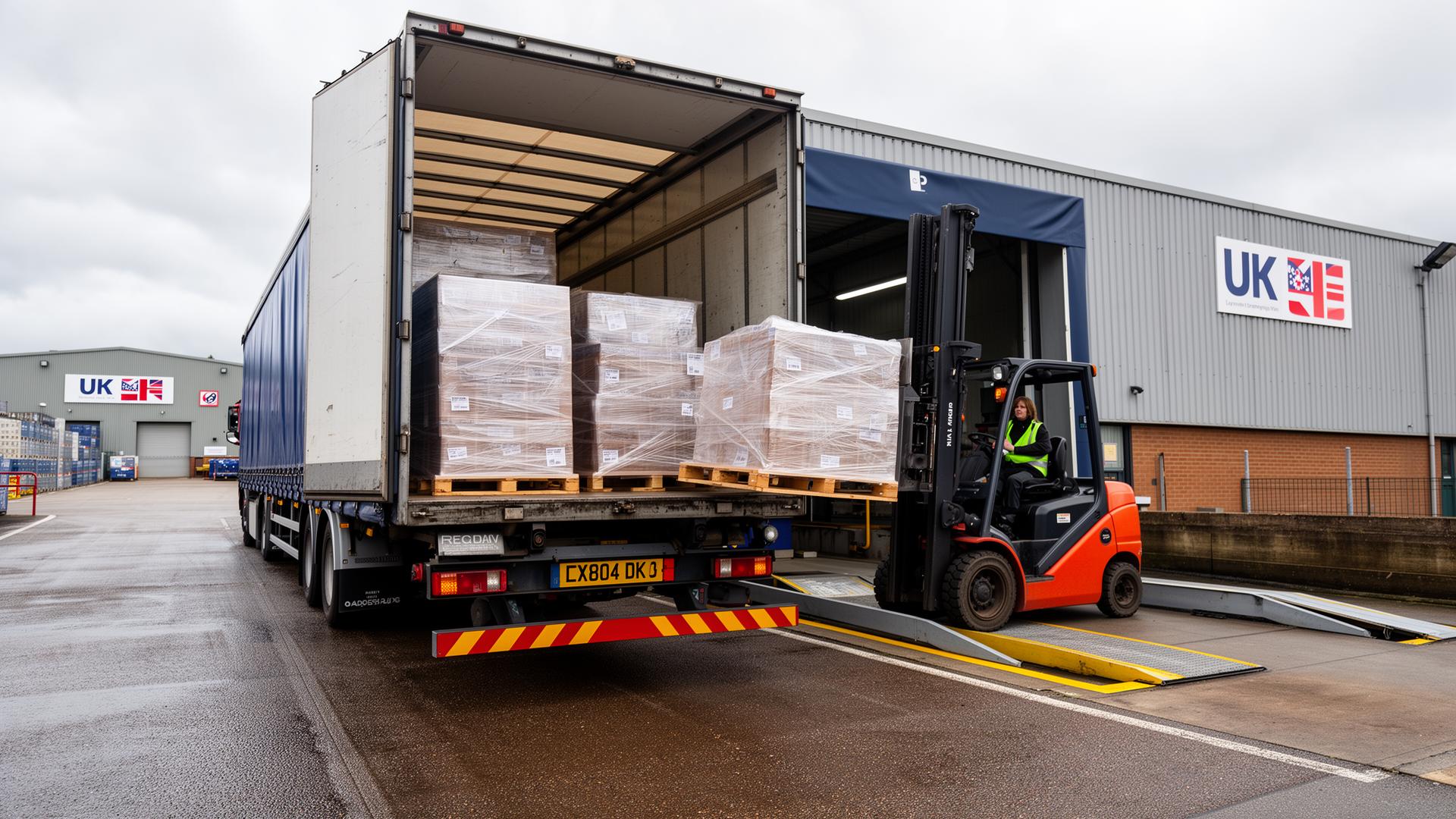
How Pallet Delivery Works in the UK
If your business ships goods in case quantities or larger, pallet delivery is almost certainly the most cost-effective method for B2B distribution across the UK. Unlike parcel carriers that handle individual packages, pallet networks transport goods on standard pallets — typically 1200mm × 1000mm — using shared vehicles and regional hubs.
Understanding how pallet delivery works, what it costs, and how to use it effectively can significantly reduce your distribution spend.
The Pallet Network Model
UK pallet delivery operates through networks — collaborative systems where independent hauliers share capacity to provide nationwide coverage.
How it works:
- Your goods are palletised at the warehouse and booked for collection
- A local haulier collects the pallet and takes it to a regional hub
- At the hub, pallets from multiple senders are sorted by destination
- Pallets are loaded onto trunking vehicles heading to destination hubs
- At the destination hub, a local haulier delivers the pallet to the final address
Major UK pallet networks include:
- Palletways — the largest UK network with 120+ depots
- Pall-Ex — comprehensive UK and European coverage
- TPN (The Pallet Network) — strong regional coverage
- Palletline — 70+ UK depots
- Palletforce — part of the DX Group
Each network offers slightly different service levels, geographic strengths, and pricing structures. Your fulfilment provider should have relationships with multiple networks to offer the best combination of price and coverage.
Pallet Types and Specifications
Not all pallets are the same, and your pallet specifications affect both cost and service.
Standard Pallet Sizes
| Type | Dimensions | Weight Limit | Notes |
|---|---|---|---|
| Quarter pallet | 600 × 800mm | Up to 250kg | Small consignments |
| Half pallet | 1000 × 600mm | Up to 500kg | Medium loads |
| Full pallet | 1200 × 1000mm | Up to 1,000kg | Standard UK pallet |
| Oversize pallet | Exceeding 1200 × 1000mm | Varies | Surcharges apply |
Height Restrictions
Pallet networks typically classify pallets by height:
- Mini (up to 600mm): lowest rate
- Standard (up to 1200mm): standard rate
- Full (up to 1800mm): higher rate
- Overheight (above 1800mm): premium rate, limited availability
Your pallet height directly affects your delivery cost. If you can configure your goods to fit within a lower height band, you will pay less per pallet.
What Pallet Delivery Costs
Pricing varies based on distance, pallet size, service level, and volume. Here are typical ranges for UK mainland delivery:
Standard Service (2–3 Working Days)
| Route | Half Pallet | Full Pallet |
|---|---|---|
| Local (same region) | £18 – £30 | £30 – £50 |
| Medium distance | £25 – £40 | £40 – £65 |
| Cross-country | £35 – £55 | £55 – £80 |
| Scotland / Highlands | £45 – £70 | £65 – £100 |
Next-Day / Express Service
Add approximately 30–50% to the standard rates above.
Economy Service (3–5 Working Days)
Deduct approximately 15–25% from standard rates.
Volume discounts: If you ship regularly, most networks offer volume-based pricing. Shipping 20+ pallets per week typically qualifies for discounts of 15–30% below standard rates.
Factors That Affect Your Pallet Delivery Cost
Distance
The further the pallet travels, the more it costs. This is why warehouse location matters — a strategically positioned warehouse minimises average delivery distances.
Pallet Dimensions and Weight
Taller, heavier pallets cost more. Non-standard sizes (wider or longer than 1200 × 1000mm) attract surcharges because they consume more vehicle space.
Delivery Location
Deliveries to residential addresses, locations without loading bays, or restricted-access sites cost more than standard commercial premises with dock-level access.
Surcharge areas:
- Scottish Highlands and Islands
- Northern Ireland
- Channel Islands
- Remote rural postcodes
Service Level
Next-day and timed deliveries command premium rates. If your customers can accept 2–3 day delivery, standard service offers significant savings.
Tail-Lift Requirements
If the delivery address does not have a loading bay or forklift, a tail-lift vehicle is required to lower the pallet to ground level. This typically adds £15–£30 per delivery.
How to Reduce Your Pallet Delivery Costs
1. Consolidate Shipments
Instead of sending one pallet per day to a customer, batch orders and send two pallets twice per week. The per-pallet rate may be the same, but you eliminate collection charges and reduce handling.
2. Optimise Pallet Configurations
Build pallets to maximise height within the standard band. A pallet at 1150mm (standard rate) costs the same as one at 800mm — use the full height allowance.
3. Choose the Right Service Level
Not every delivery needs to be next-day. Use economy or standard services for non-urgent shipments and reserve premium services for time-critical orders.
4. Negotiate Volume Rates
If you ship 10+ pallets per week, you have negotiating power. Request volume-tiered pricing from your provider.
5. Use Multi-Drop Routes
If you are delivering to multiple customers in the same region, a dedicated vehicle with a multi-drop route can be cheaper than sending individual pallets through a network.
Pallet Delivery vs. Parcel Delivery
When does it make sense to switch from parcels to pallets?
Rule of thumb: If you are shipping 5 or more cartons to the same address, a pallet is usually cheaper and more efficient than sending 5 individual parcels. The goods arrive together, there is less risk of loss or damage, and handling at both ends is simpler.
For B2B distribution, pallets are almost always the right choice for case-quantity orders.
Reliable Pallet Delivery With TFC
At The Fulfilment Centre, we manage pallet delivery across the UK through established network partnerships. From warehouse storage to palletised dispatch, we handle the entire distribution process with transparent pricing and reliable service.
Ready to Optimise Your Fulfilment?
Speak to The Fulfilment Centre Ltd about improving your UK fulfilment.
Get a Quote