
Reducing Shipping Damage: A Packaging and Fulfilment Guide
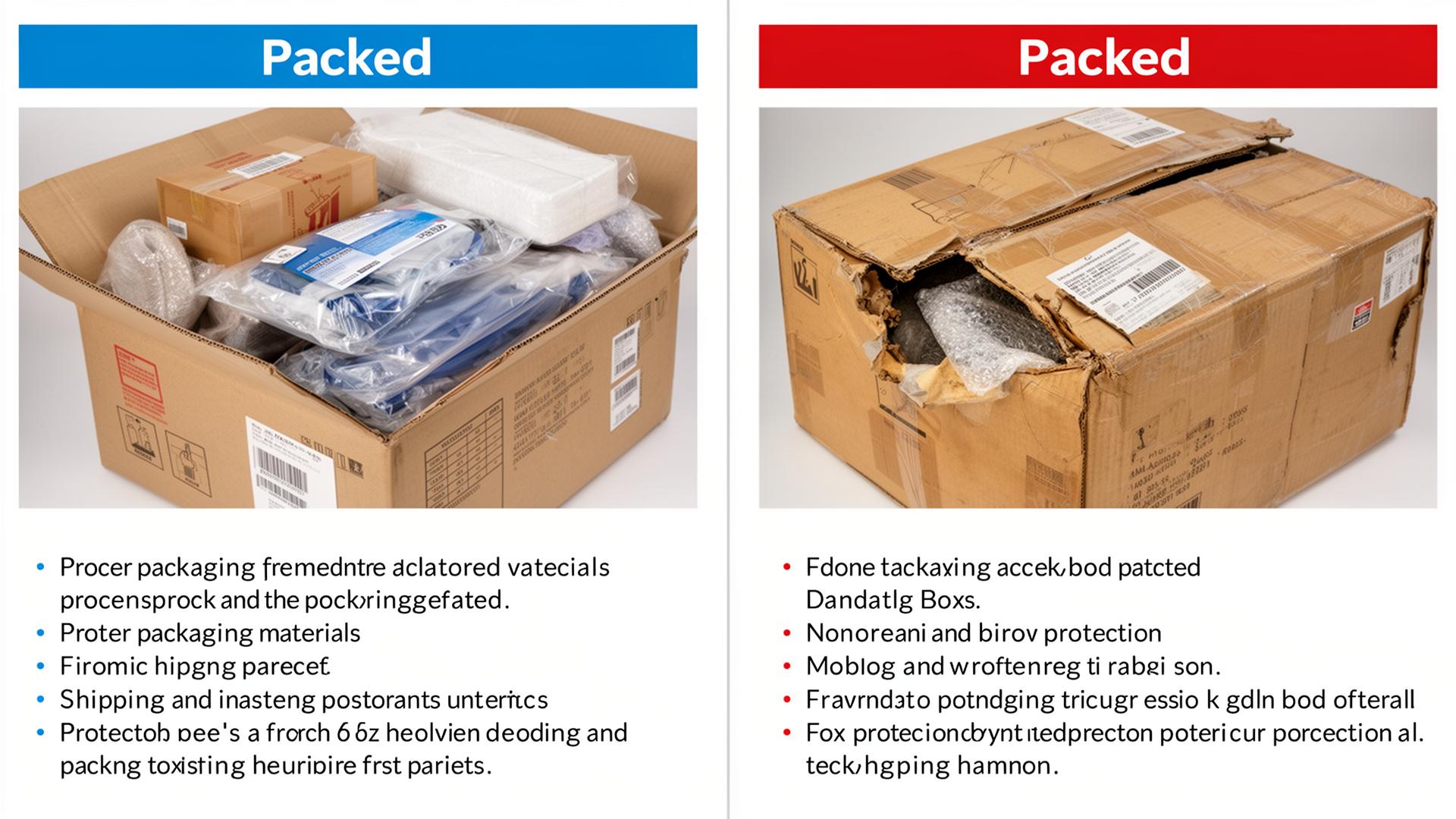
The True Cost of Shipping Damage
A damaged delivery doesn't just cost you the product — it costs you the return shipping, the replacement, the customer service time, and potentially the customer themselves. For most ecommerce brands, shipping damage represents 1–3% of orders, costing thousands per year.
Understanding Carrier Handling
To package effectively, you need to understand what parcels endure:
- Drops of 1–1.5 metres — parcels are dropped onto conveyor belts and into vehicles
- Compression from stacking — heavy parcels placed on top of lighter ones
- Vibration — constant movement during transport
- Environmental exposure — rain, temperature changes at sorting hubs
- Multiple handling points — a typical parcel is handled 8–15 times from dispatch to doorstep
Packaging Best Practices
1. Choose the Right Box Size
Oversized boxes mean:
- Products move around inside, increasing impact damage
- More void fill needed (cost and waste)
- Higher DIM weight charges from carriers
Rule: No more than 5cm of space on any side between product and box wall.
2. Protect Against Impact
| Product Type | Recommended Protection |
|---|---|
| Fragile (glass, ceramics) | Bubble wrap + corner protectors + "FRAGILE" label |
| Electronics | Foam inserts, anti-static bags |
| Liquids | Sealed bags + absorbent material, leak-proof |
| Soft goods (clothing) | Poly bag inside mailer (moisture protection) |
| Heavy items | Double-wall box, strapping, pallet for B2B |
3. Void Fill Options
| Material | Best For | Cost |
|---|---|---|
| Crumpled paper | General protection | Low |
| Air pillows | Light-medium weight items | Medium |
| Foam-in-place | High-value, irregular shapes | High |
| Honeycomb wrap | Fragile items, sustainable | Medium |
| Corrugated inserts | Bottles, jars, multi-item boxes | Medium |
4. Seal Properly
- Use H-taping method (tape across the centre seam and both edges)
- Use quality packing tape — cheap tape fails in humidity
- Reinforce the bottom of the box for heavy items
- Consider tamper-evident tape for high-value goods
5. Label Correctly
- FRAGILE labels for delicate items (not always respected, but helps)
- THIS WAY UP arrows for orientation-sensitive products
- DO NOT STACK for items that can't bear weight
- Clear shipping label that won't smudge or peel
Testing Your Packaging
Before shipping to customers:
- Drop test: Drop a packed parcel from 1.5 metres onto a hard surface — from each face, edge, and corner
- Compression test: Stack weight on top equivalent to what it might endure in transit
- Shake test: Vigorously shake the parcel — can you hear the product moving inside?
- Environmental test: Leave the parcel in varying conditions (heat, cold, humidity)
If the product survives all four tests, your packaging is adequate.
Working with Your Fulfilment Provider
Your fulfilment partner handles packaging daily. Ensure they:
- Follow your packaging specifications consistently
- Use appropriate void fill for each product type
- Conduct quality checks on packed orders
- Report damage rates and investigate root causes
- Suggest packaging improvements based on their experience
At The Fulfilment Centre, we take packaging seriously. Our value-added services include custom packaging solutions designed to protect your products and your brand reputation.
Experiencing shipping damage issues? Contact us to discuss packaging solutions and fulfilment best practices.
Ready to Optimise Your Fulfilment?
Speak to The Fulfilment Centre Ltd about improving your UK fulfilment.
Get a Quote