
Reverse Logistics and the Circular Economy in UK Fulfilment
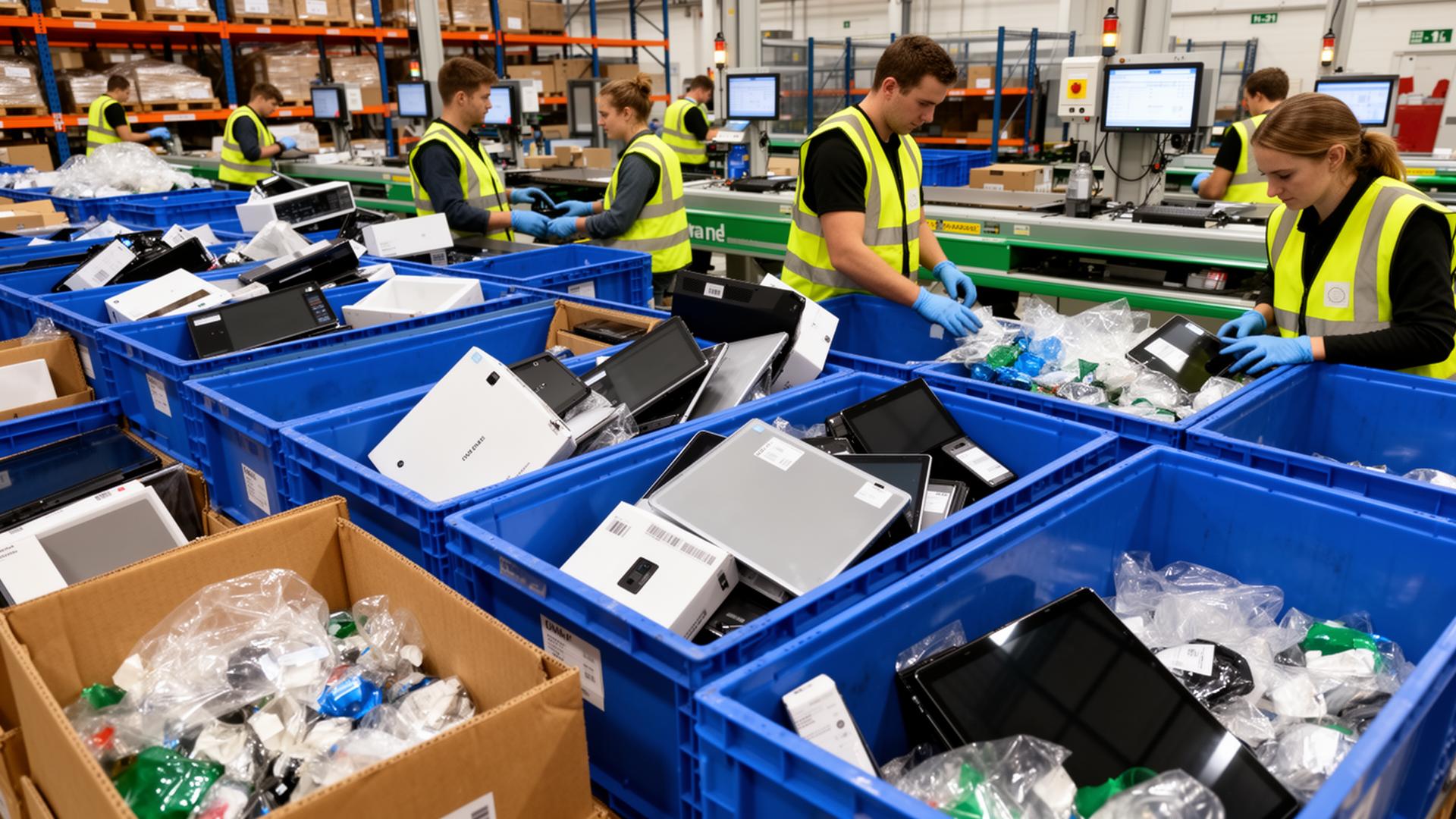
Beyond Returns: Reverse Logistics
Reverse logistics covers the entire backward flow of goods — from customer back through the supply chain. It includes returns processing, refurbishment, recycling, component recovery, and responsible disposal.
In 2025, reverse logistics isn't just about handling returns efficiently. It's about recovering value and reducing waste as part of a circular economy approach.
The Circular Economy Model
The traditional linear model: Make → Sell → Use → Dispose.
The circular model: Make → Sell → Use → Return → Recover → Remake/Resell.
For ecommerce brands, this means treating returned and end-of-life products as resources rather than waste.
Value Recovery Options
| Option | Description | Value Recovered |
|---|---|---|
| Restock as new | Perfect condition returns | 100% |
| Sell as refurbished | Minor cosmetic issues fixed | 60–80% |
| Sell as seconds | Discounted, clearly labelled | 30–50% |
| Component harvest | Strip for usable parts | 10–30% |
| Material recycling | Reclaim raw materials | 5–15% |
| Responsible disposal | Last resort, certified | 0% (but avoids landfill) |
Building a Reverse Logistics Operation
1. Returns Grading
Every returned item should be graded consistently:
- Grade A: Resell as new
- Grade B: Minor refurbishment needed
- Grade C: Sell as seconds or via outlet channel
- Grade D: Recycle or dispose
2. Refurbishment Capability
For electronics, furniture, and some fashion items, light refurbishment extends product life:
- Cleaning and repackaging
- Minor repair (replacing components, fixing cosmetic damage)
- Quality testing before resale
- Repackaging in appropriate condition-specific packaging
3. Secondary Sales Channels
Don't let Grade B and C items sit in your warehouse. Established channels include:
- Your own outlet/seconds section on your website
- eBay (great for clearance and seconds)
- B2B clearance buyers
- Charity partnerships (tax-efficient donation)
4. Recycling and Disposal
When products can't be resold:
- Partner with certified recycling providers
- Ensure WEEE compliance for electronics
- Document disposal for audit and reporting
- Consider material recovery (metals, textiles, plastics)
The Business Case
| Action | Financial Impact |
|---|---|
| Restocking Grade A returns faster | Recover 100% value, reduce storage costs |
| Selling Grade B as refurbished | Recover 60–80% vs 0% if disposed |
| Outlet channel for Grade C | Recover 30–50% and free up space |
| Recycling vs landfill | Lower disposal costs, EPR compliance |
| Better grading accuracy | More items restocked at higher value |
Sustainability Reporting
Circular economy metrics to track:
- Return-to-restock rate: % of returns going back into sellable inventory
- Waste diversion rate: % of returns diverted from landfill
- Value recovery rate: Revenue recovered from returned goods as % of original retail value
- Carbon impact: Emissions avoided through reuse vs new production
Working with Your Fulfilment Provider
Your fulfilment partner's returns capabilities directly impact your circular economy performance. Look for:
- Established grading processes
- Refurbishment capabilities
- Integration with secondary sales channels
- Recycling partnerships
- Reporting on returns outcomes
At The Fulfilment Centre, our returns processing service includes grading, restocking, and coordination with secondary channels to maximise value recovery.
Want to improve your returns value recovery? Contact us to discuss reverse logistics and circular fulfilment solutions.
Ready to Optimise Your Fulfilment?
Speak to The Fulfilment Centre Ltd about improving your UK fulfilment.
Get a Quote