
Choosing Between Shared and Dedicated Warehousing in the UK
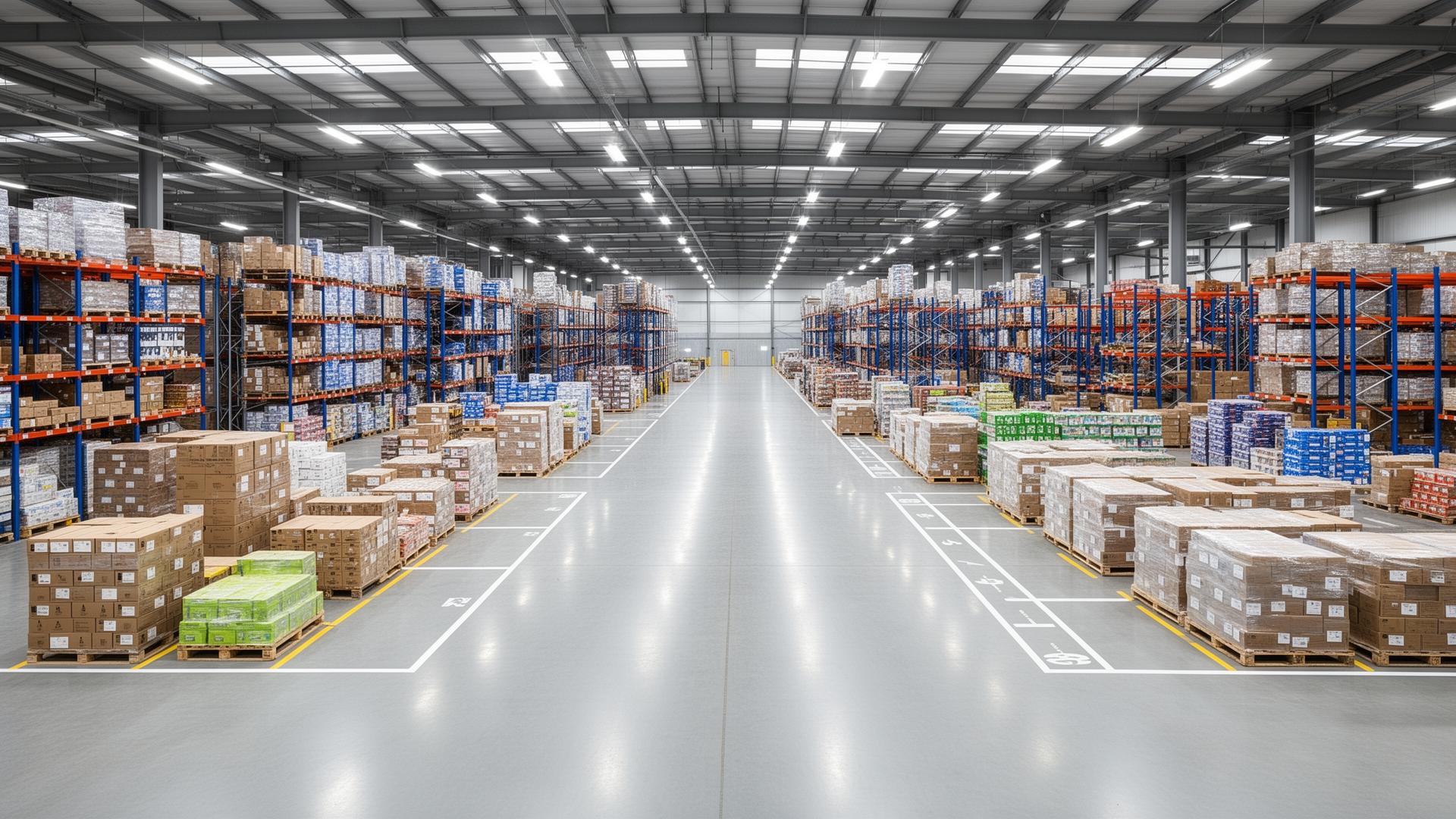
Two Warehousing Models — One Decision That Shapes Your Operation
When businesses look for warehouse space in the UK, they typically face a choice between two models: shared warehousing (also called multi-client or public warehousing) and dedicated warehousing (also called contract or private warehousing).
Each model has distinct advantages and trade-offs. The right choice depends on your order volumes, inventory profile, growth trajectory, and operational complexity. This guide compares both options so you can make an informed decision.
What Is Shared Warehousing?
In a shared warehouse, multiple clients store their goods in the same facility. You rent the space you need — measured in pallet positions, shelf locations, or square footage — and share the building's infrastructure, staff, and systems with other tenants.
Key characteristics:
- Pay only for the space and services you use
- Flexible contracts — often month-to-month or quarterly
- Shared workforce handles your goods alongside other clients' inventory
- Warehouse management system (WMS) maintains separation between clients' stock
- Common areas (loading docks, dispatch zones) are shared
This is the most common model for small to medium-sized businesses and is the standard offering from most UK 3PL providers.
What Is Dedicated Warehousing?
In a dedicated warehouse, you lease an entire facility — or a self-contained section of one — exclusively for your business. The space, staff, and equipment serve only your operation.
Key characteristics:
- Fixed monthly cost regardless of how much space you actually use
- Dedicated staff trained specifically for your products and processes
- Complete control over the facility layout, workflows, and operating hours
- Longer contracts — typically 2 to 5 years, sometimes longer
- Higher upfront investment in fit-out, racking, and technology
This model suits large businesses with high volumes, complex operations, or specific compliance requirements.
Comparing the Two Models
| Factor | Shared | Dedicated |
|---|---|---|
| Cost structure | Variable (pay per pallet/order) | Fixed (monthly lease + staff) |
| Minimum commitment | Low (10+ pallets) | High (typically 10,000+ sq ft) |
| Contract length | Monthly to annual | 2–5 years |
| Flexibility | High — scale up/down easily | Low — committed to fixed space |
| Control | Limited — provider manages operations | Full — you dictate processes |
| Setup time | Days to weeks | Months |
| Best for | SMEs, variable demand, early stage | Large volume, stable demand |
When Shared Warehousing Makes Sense
You Have Variable or Growing Demand
If your storage requirements fluctuate — seasonally or due to business growth — shared warehousing lets you scale without penalty. You pay for 50 pallets this month and 150 pallets next month without renegotiating your contract.
You Want to Minimise Fixed Costs
Shared warehousing converts your logistics cost from a fixed overhead into a variable expense. You pay per pallet stored and per order shipped. If sales dip, your warehouse costs dip with them.
You Need Multi-Location Coverage
A shared 3PL with multiple depots can distribute your stock across several UK locations, bringing goods closer to your customers. Achieving this with dedicated warehousing would require leasing multiple facilities.
You Are an Importer With Batch Arrivals
If your goods arrive in containers every few weeks and are distributed over the following period, shared warehousing provides the flexibility to absorb these peaks without permanent space commitments.
Your Pricing Priority Is Transparency
Shared 3PLs typically provide clear per-unit pricing: per pallet per week for storage, per order for fulfilment, per pallet for distribution. You can model your costs precisely based on your volumes.
When Dedicated Warehousing Makes Sense
You Ship Thousands of Orders Daily
At very high volumes (typically 2,000+ orders per day), dedicated warehousing often becomes more cost-effective than shared. The fixed costs of the facility are spread across a high number of orders, reducing the cost per unit.
You Have Complex or Unique Requirements
Some operations require specialised equipment, workflows, or compliance standards that are difficult to accommodate in a shared environment:
- Temperature-controlled storage with strict monitoring
- Hazardous goods requiring ADR-compliant facilities
- Clean-room or contamination-controlled environments
- Heavy engineering or automotive parts requiring specialist handling equipment
You Need Complete Operational Control
If your business requires specific operating hours, custom quality checks, bespoke packaging processes, or dedicated account teams, a dedicated facility provides the control that shared warehousing cannot.
You Have Stable, Predictable Volumes
If your storage and order volumes are consistent month to month, the fixed cost of dedicated warehousing becomes predictable and often cheaper per unit than shared rates.
The Hybrid Approach
Many businesses use a combination of both models:
- Dedicated core facility for your main operation, housing permanent stock and handling the majority of daily orders
- Shared overflow space at one or more additional locations for seasonal peaks, new product launches, or geographic coverage
This hybrid approach provides the control and cost-efficiency of dedicated warehousing with the flexibility of shared storage.
Making the Transition
If you are currently in a shared warehouse and considering moving to dedicated, plan carefully:
- Map your exact space, staffing, and technology requirements
- Budget for fit-out costs (racking, IT, security) — typically £50,000 to £200,000+
- Allow 3–6 months for setup and transition
- Plan for staff recruitment and training
- Ensure your WMS can operate independently or negotiate system provision with the landlord
Moving from dedicated to shared is typically easier — you are essentially transferring stock and integrating with an existing operation.
Find the Right Model for Your Business
At The Fulfilment Centre, we offer flexible shared warehousing across our UK depot network with the option to scale into dedicated space as your business grows. Our transparent pricing and scalable infrastructure mean you never pay for more than you need.
Ready to Optimise Your Fulfilment?
Speak to The Fulfilment Centre Ltd about improving your UK fulfilment.
Get a Quote