
Warehouse Lighting and Energy Efficiency: A Practical Guide
Energy: A Growing Warehouse Cost
Energy costs have risen sharply in the UK, making efficiency a financial priority as well as an environmental one. For warehouses, lighting and heating typically represent 60–70% of energy consumption.
Lighting: The Biggest Quick Win
LED Conversion
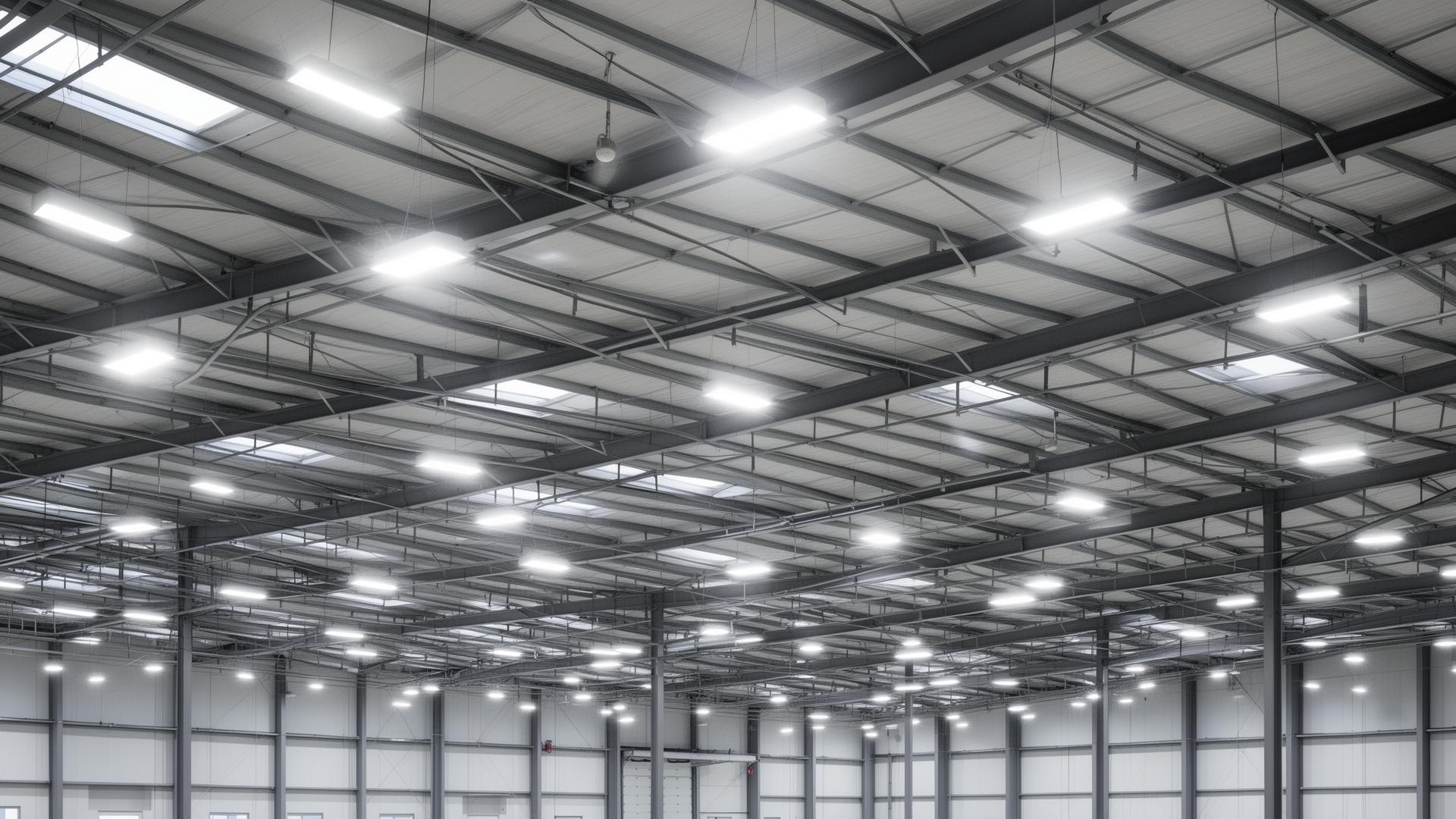
Switching from traditional fluorescent or metal halide lighting to LED is the single most impactful energy efficiency measure for warehouses:
| Metric | Fluorescent/Halide | LED |
|---|---|---|
| Energy consumption | 100% (baseline) | 40–60% less |
| Lifespan | 15,000–25,000 hours | 50,000–100,000 hours |
| Maintenance | Frequent replacement | Minimal |
| Light quality | Degrades over time | Consistent |
| Startup time | 5–15 minutes | Instant |
Typical ROI: 18–36 months for a full warehouse LED conversion.
Motion Sensors and Zoning
Warehouses have areas that aren't in constant use — high racking aisles, mezzanine areas, loading docks. Motion-activated lighting in these zones can reduce consumption by 30–50% on top of LED savings.
Daylight Harvesting
Warehouses with roof lights or translucent panels can use daylight sensors to dim artificial lighting when natural light is sufficient. This works particularly well in spring and summer months.
Heating and Ventilation
Destratification Fans
Hot air rises to the warehouse ceiling — where it's wasted. Destratification fans push warm air back down to floor level, reducing heating requirements by 20–30%.
Insulation
Older warehouses often have poor insulation. Upgrading roof and wall insulation:
- Reduces heating costs by 15–25%
- Maintains more stable temperatures for product storage
- Reduces condensation risk
Air Curtains
Loading dock doors open frequently, letting cold air in and warm air out. Air curtains at dock doors reduce heat loss by 60–80%.
Renewable Energy
Solar Panels
Warehouse roofs are ideal for solar installations:
- Large, flat surface area
- Daytime energy demand aligns with solar generation
- Payback period: 5–8 years (with current energy prices)
- Government incentives may apply
Battery Storage
Combining solar with battery storage allows warehouses to:
- Store excess daytime generation
- Use stored energy during evening operations
- Reduce peak demand charges
Smart Building Management
Building Management Systems (BMS) monitor and control:
- Lighting levels and schedules
- Heating and ventilation
- Energy consumption by zone
- Equipment efficiency
A good BMS provides the data needed to identify waste and optimise continuously.
Cost Savings Summary
| Measure | Investment | Annual Saving | Payback |
|---|---|---|---|
| LED lighting | £15,000–£40,000 | £5,000–£15,000 | 2–3 years |
| Motion sensors | £3,000–£8,000 | £2,000–£5,000 | 1–2 years |
| Destratification fans | £2,000–£5,000 | £1,500–£3,000 | 1–2 years |
| Solar panels | £30,000–£80,000 | £8,000–£20,000 | 4–7 years |
| Insulation upgrade | £10,000–£30,000 | £3,000–£8,000 | 3–4 years |
Choosing an Energy-Efficient Warehouse
When selecting a warehousing provider, ask about:
- LED lighting and motion sensors
- Energy performance certificates (EPC rating)
- Renewable energy installations
- Building management systems
- Carbon reporting
At The Fulfilment Centre, our UK depots incorporate modern energy efficiency measures as part of our commitment to sustainable operations.
Looking for sustainable warehousing? Contact our team to discuss our facilities and environmental commitments.
Ready to Optimise Your Fulfilment?
Speak to The Fulfilment Centre Ltd about improving your UK fulfilment.
Get a Quote