
How Warehouse Location Affects Your Delivery Speed and Cost
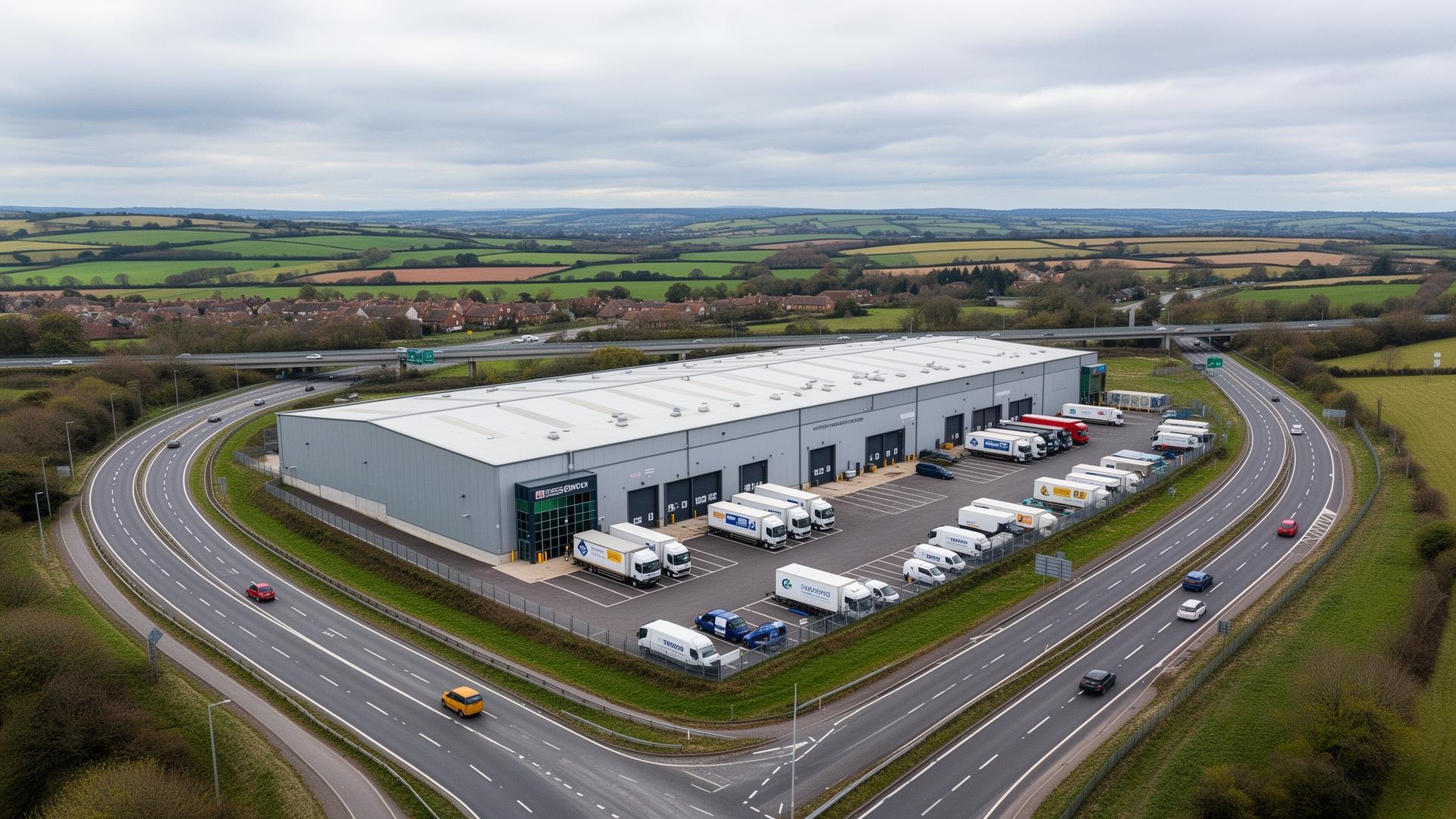
Location Is the Most Underrated Factor in Fulfilment
When businesses compare warehousing providers, they focus on per-pallet rates, pick accuracy, and technology. These matter. But the single factor that most affects your delivery speed and transport costs is one many businesses overlook: where the warehouse is physically located.
A difference of 100 miles in warehouse location can mean the difference between next-day delivery to 90% of UK postcodes and next-day delivery to only 60%. It can also swing your average carrier cost by 20–30%.
This guide explains how location affects your operation and how to choose the right position for your business.
How Location Affects Delivery Speed
UK parcel carriers operate hub-and-spoke networks. Parcels are collected from the warehouse, taken to a regional hub, sorted, and sent to local depots for final-mile delivery.
The closer your warehouse is to a carrier hub, the later your daily dispatch cut-off can be — meaning more orders qualify for same-day dispatch and next-day delivery.
Warehouses in central and southern England typically offer the latest cut-off times for next-day UK delivery:
- Midlands (M1/M6 corridor): Cut-offs typically 4pm–5pm for next-day
- East of England (A14/M11): Cut-offs typically 3pm–4pm for next-day
- South East (M25 area): Cut-offs typically 3pm–5pm for next-day, but congestion can delay collections
- North of England: Cut-offs typically 2pm–3pm for next-day to southern postcodes
For businesses where dispatch speed is a competitive advantage, warehouse location directly affects your ability to promise and deliver fast shipping.
How Location Affects Transport Costs
Parcel Delivery
Most carriers zone their pricing based on the distance from their sorting hubs. A parcel shipped from the Midlands to most UK postcodes travels a shorter average distance than one shipped from Scotland or the South West.
Impact: Businesses based in central locations typically pay 10–20% less per parcel than those on the geographic periphery.
Pallet Delivery
For B2B distribution, pallet network pricing is heavily distance-dependent. A pallet shipped from Ipswich to Manchester costs more than the same pallet shipped from Birmingham.
If your customers are spread across the UK, a central location minimises your average delivery distance and cost.
Haulage from Ports
For importers, the distance from your warehouse to major container ports affects your inbound logistics costs.
Approximate haulage costs from Felixstowe:
| Destination | Cost per Container |
|---|---|
| East Anglia (Ipswich, Colchester) | £200 – £300 |
| London / M25 | £350 – £450 |
| Midlands (Birmingham, Northampton) | £400 – £500 |
| North West (Manchester, Liverpool) | £500 – £650 |
| Scotland | £650 – £850 |
If you import regularly, warehouse proximity to your arrival port can save thousands per year in haulage costs.
Finding the Optimal Location
The ideal warehouse location depends on three factors:
1. Where Your Customers Are
Plot your delivery postcodes on a map. Where is the centre of gravity of your customer base?
- If 70% of your customers are in London and the South East, a warehouse in Essex, Kent, or the M25 corridor makes sense
- If your customers are spread nationally, the Midlands or East of England offers the best average reach
- If you primarily supply Northern retailers, a facility near the M62 corridor is optimal
2. Where Your Goods Arrive
If you import containers, proximity to your primary port reduces haulage costs. If you source from UK manufacturers, proximity to your suppliers matters.
3. What Service Level You Promise
If you guarantee next-day delivery, you need a location with late carrier cut-offs and good motorway access. If your standard service is 2–3 days, location is less critical.
Multi-Location Strategies
For businesses with high volumes or geographically dispersed customers, splitting stock across multiple warehouses can optimise both speed and cost.
Example: An ecommerce brand with national coverage might hold:
- 60% of stock near London for next-day delivery to the South East and same-day dispatch
- 40% of stock in the Midlands for efficient delivery to the North, Wales, and Scotland
This approach requires a WMS that supports multi-site inventory management and intelligent order routing, but the savings in carrier costs and improvements in delivery speed can be substantial.
Your fulfilment provider should be able to model this for you based on your order data.
The Total Cost Equation
When comparing warehouse locations, consider the total cost, not just the per-pallet rate:
| Cost Component | Location A (Cheap Rural) | Location B (Strategic) |
|---|---|---|
| Storage (100 pallets) | £300/week | £400/week |
| Average parcel cost (500 orders) | £4.50 × 500 = £2,250 | £3.50 × 500 = £1,750 |
| Haulage (2 containers/month) | £500 × 2 = £1,000 | £250 × 2 = £500 |
| Monthly total | £4,550 | £3,850 |
In this example, the "more expensive" warehouse saves £700 per month because of lower transport costs — a saving of £8,400 per year.
Choose Location Strategically
At The Fulfilment Centre, our UK depot network is positioned to give your business optimal delivery coverage and cost efficiency. Whether you need a facility near London, close to Felixstowe for imports, or a central location for nationwide distribution, we can recommend the right solution.
Our transparent pricing includes full cost modelling so you can see the total impact of location on your operation.
Ready to Optimise Your Fulfilment?
Speak to The Fulfilment Centre Ltd about improving your UK fulfilment.
Get a Quote