
Warehouse Safety and Compliance in the UK: What You Need to Know
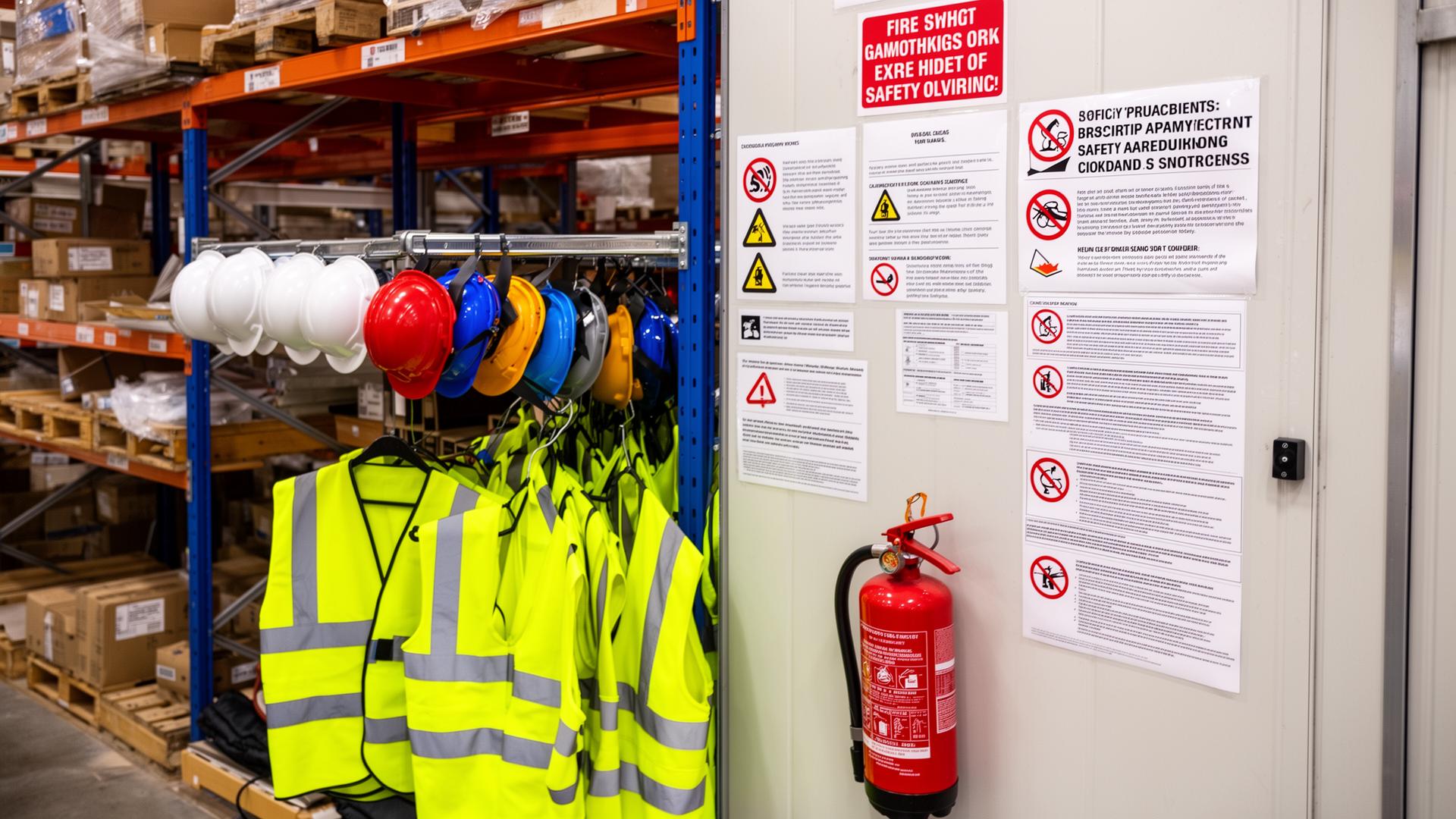
Why Warehouse Safety Matters
UK warehouses are governed by extensive health and safety legislation. Non-compliance risks fines, prosecution, insurance voidance, and — most importantly — injury to workers.
Whether you operate your own warehouse or outsource to a 3PL, understanding the safety landscape is essential.
Key UK Regulations
Health and Safety at Work Act 1974
The foundation of UK workplace safety. Employers must ensure, so far as is reasonably practicable, the health, safety, and welfare of employees and anyone affected by their operations.
Manual Handling Operations Regulations 1992
Warehousing involves significant manual handling. Employers must:
- Avoid hazardous manual handling where possible
- Assess risks that can't be avoided
- Reduce risk through training, equipment, and process design
Workplace (Health, Safety and Welfare) Regulations 1992
Covers the physical environment — temperature, ventilation, lighting, floor conditions, sanitary facilities, and rest areas.
PUWER (Provision and Use of Work Equipment) 1998
All work equipment — forklifts, pallet trucks, conveyor systems, racking — must be suitable, maintained, and used by trained operators.
LOLER (Lifting Operations and Lifting Equipment) 1998
Specific to lifting equipment. Requires:
- Planned and supervised lifting operations
- Equipment examination every 6–12 months by a competent person
- Records maintained and available for inspection
Racking Safety
Pallet racking is a major risk area in UK warehouses:
- SEMA guidelines set standards for racking design, installation, and inspection
- Annual racking inspections by a SEMA-approved inspector are industry best practice
- Damage reporting — any forklift strike or visible damage should trigger immediate assessment
- Load notices — every rack run should display maximum load capacities
Fire Safety
The Regulatory Reform (Fire Safety) Order 2005 requires:
- A documented fire risk assessment, reviewed regularly
- Fire detection and alarm systems appropriate to the building
- Adequate fire exits, signage, and emergency lighting
- Staff training in evacuation procedures
- Sprinkler systems for larger or high-value facilities
Common Compliance Gaps
| Issue | Risk | Solution |
|---|---|---|
| Untrained forklift operators | Serious injury, HSE prosecution | RTITB/ITSSAR certification required |
| Missing racking inspections | Collapse risk, insurance void | Annual SEMA inspection |
| Poor housekeeping | Trips, falls, fire hazards | Daily checks, clean-as-you-go culture |
| No risk assessments | Legal non-compliance | Document and review all activities |
| Inadequate PPE | Injury, prosecution | Provide, train, enforce |
Choosing a Compliant Warehouse Partner
When outsourcing warehousing, verify your provider's compliance:
- Accreditations: BRC Storage & Distribution, ISO 9001, AEO
- Insurance: Adequate goods-in-trust and public liability cover
- Inspection records: Racking, fire, electrical, equipment
- Training records: Forklift, manual handling, fire safety
- Incident reporting: Documented procedure with trend analysis
At The Fulfilment Centre, safety is non-negotiable. Our UK depots maintain full compliance with HSE requirements, SEMA racking standards, and fire safety regulations.
Want to see our safety standards firsthand? Arrange a site visit at any of our UK facilities.
Ready to Optimise Your Fulfilment?
Speak to The Fulfilment Centre Ltd about improving your UK fulfilment.
Get a Quote