
Customs Clearance for UK Importers: A Step-by-Step Guide
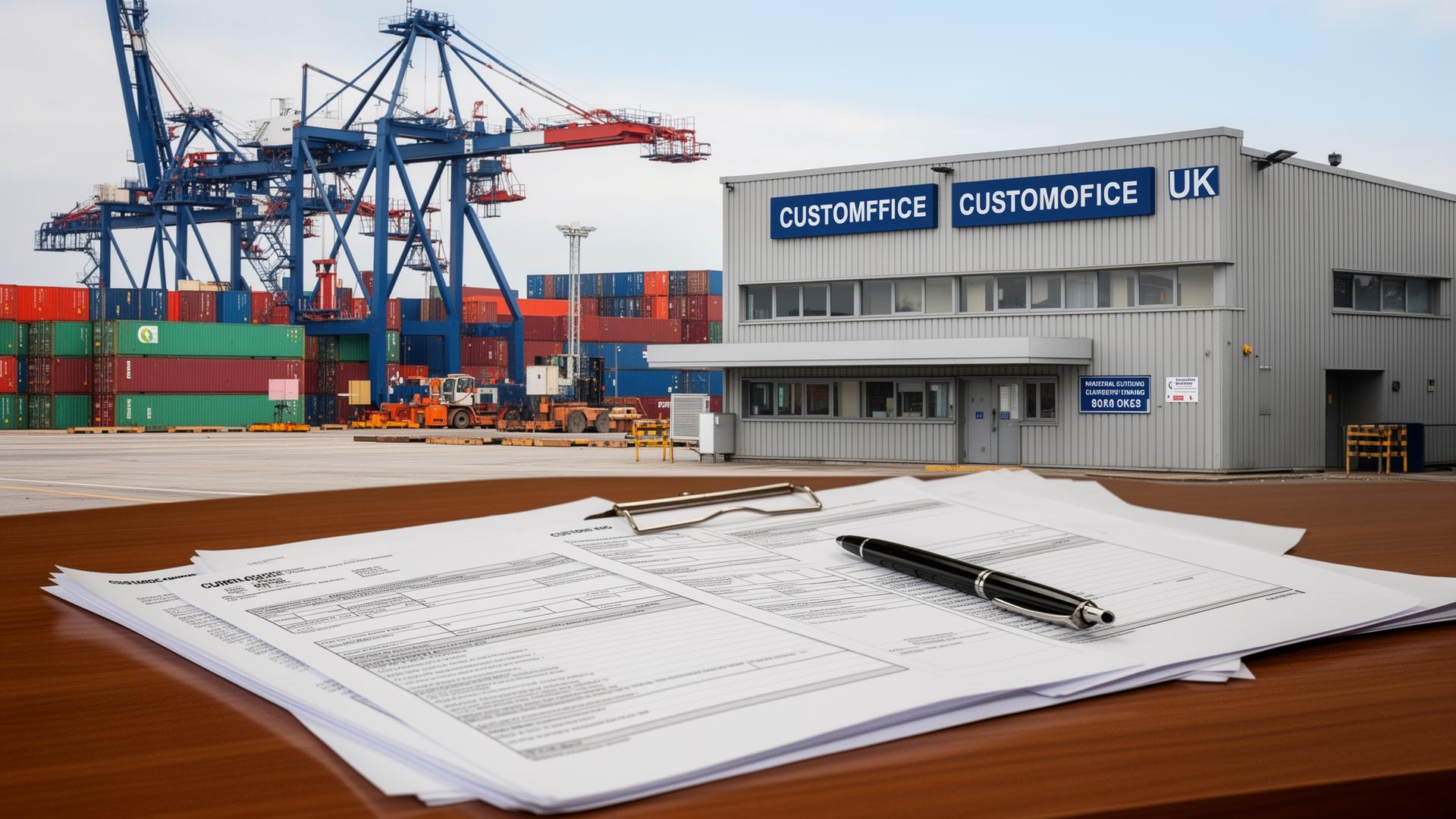
Customs Clearance: The Gateway to UK Trade
Every commercial shipment entering the UK must clear customs. Post-Brexit, this includes goods from the EU as well as the rest of the world. Understanding the process helps you avoid delays, unexpected costs, and compliance issues.
The Customs Clearance Process
Step 1: Obtain an EORI Number
Before importing, you need an Economic Operators Registration and Identification (EORI) number from HMRC. This is free and essential — without it, your goods cannot clear customs.
Step 2: Classify Your Goods
Every product has a commodity code (tariff code) that determines:
- The rate of customs duty
- Any additional regulations (safety standards, licences)
- VAT treatment
Getting the commodity code wrong can result in overpaying duty, underpaying (leading to penalties), or goods being held at the border.
Step 3: Prepare Documentation
Standard import documentation includes:
| Document | Purpose |
|---|---|
| Commercial invoice | Value, description, origin of goods |
| Packing list | Detailed contents of each package |
| Bill of lading / airway bill | Proof of shipment |
| Certificate of origin | Determines duty rate (preferential trade agreements) |
| Import licence (if required) | For controlled goods |
| Safety certificates | CE/UKCA marking documentation |
Step 4: Submit the Customs Declaration
Your customs broker (or freight forwarder) submits an electronic customs entry via HMRC's Customs Declaration Service (CDS). This declares:
- What you're importing
- Where it's from
- Its value
- The duty and VAT due
Step 5: Pay Duties and VAT
| Charge | Typical Rate |
|---|---|
| Customs duty | 0–12% (varies by product and origin) |
| Import VAT | 20% (on value + duty + shipping) |
| Anti-dumping duty | Applies to some products from certain countries |
You can defer payments using a Duty Deferment Account or use bonded warehousing to delay payment until goods are released for sale.
Step 6: Goods Release
Once the declaration is accepted and duties paid (or deferred), goods are released. This can take:
- Green route: Automatic release, usually same day
- Orange route: Documentary check, 1–2 days
- Red route: Physical inspection, 2–5 days
Common Causes of Delay
- Incorrect commodity codes — triggers queries and potential inspections
- Missing documentation — commercial invoices, certificates of origin
- Valuation disputes — HMRC queries the declared value
- Controlled goods — products requiring additional licences or checks
- Incomplete declarations — missing or incorrect data fields
How to Streamline Customs
- Use an experienced customs broker with knowledge of your product category
- Prepare all documentation before goods arrive
- Maintain consistent, accurate commercial invoices
- Consider AEO (Authorised Economic Operator) status for trusted trader benefits
- Pre-lodge customs entries so goods clear on arrival
Working with Your Warehouse Provider
The handoff from port to warehouse is smoother when your provider:
- Coordinates with your customs broker on delivery timing
- Has a pre-booked delivery slot system
- Can process goods-in quickly once released
- Provides import-specific services like container devanning
At The Fulfilment Centre, our import services support businesses importing from major trading partners, with warehousing close to key UK ports.
Importing to the UK? Talk to our team about streamlining your customs and warehousing workflow.
Ready to Optimise Your Fulfilment?
Speak to The Fulfilment Centre Ltd about improving your UK fulfilment.
Get a Quote