
Peak Season Carrier Management: Avoiding Delivery Disasters
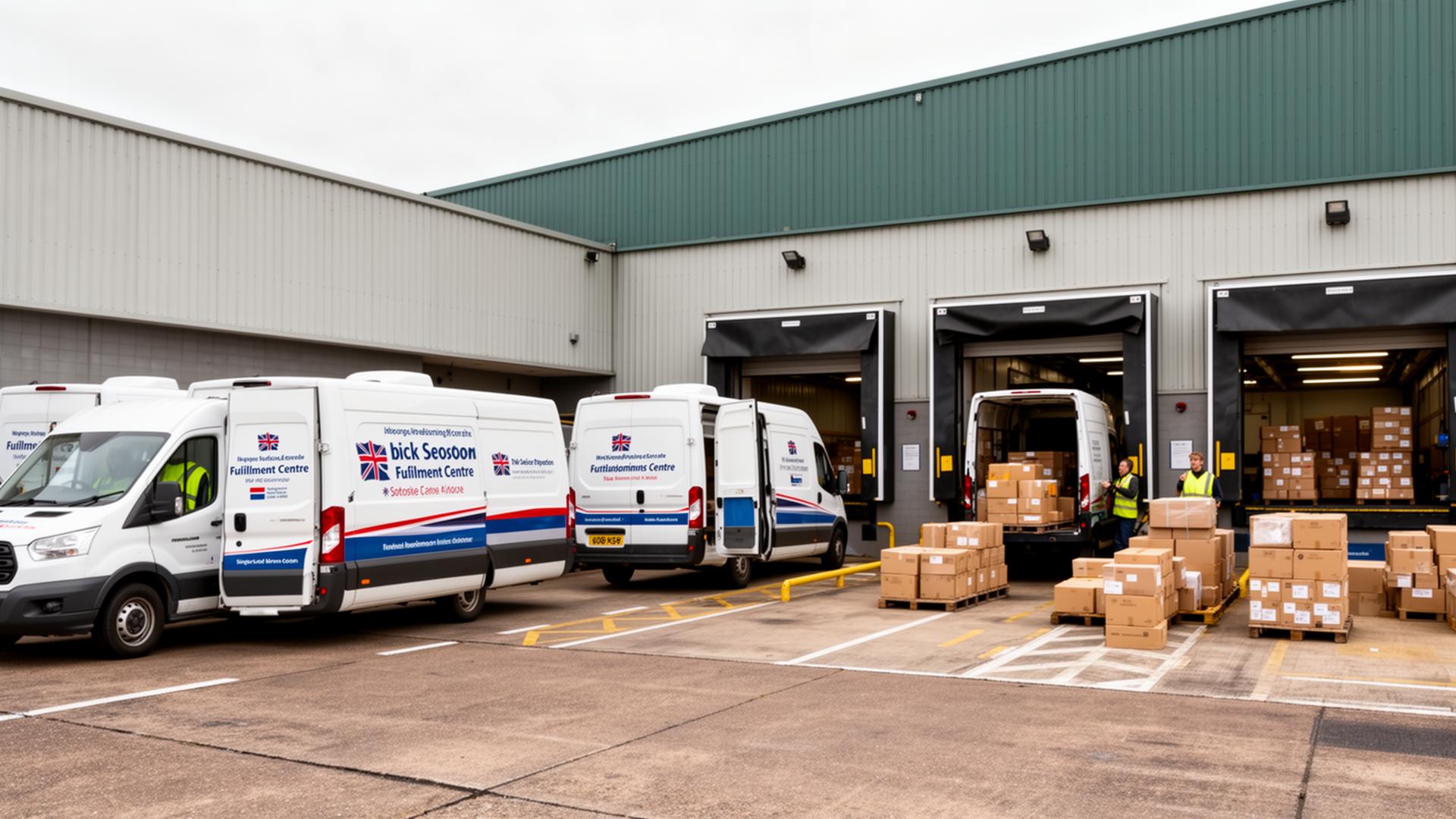
Peak Season Stress-Tests Your Carrier Strategy
Between October and December, UK parcel carriers handle 30–50% more volume than normal. Networks strain, service levels slip, and surcharges appear. Brands that don't plan their carrier strategy in advance face delays, complaints, and lost customers.
The Peak Season Timeline
| Month | What Happens |
|---|---|
| September | Carriers announce peak surcharges and capacity limits |
| October | Volumes start building; collection slots fill up |
| November | Black Friday/Cyber Monday — volume spike |
| December | Sustained high volume; carrier cut-off dates for Christmas delivery |
| January | Returns surge; networks recover |
Common Peak Season Carrier Problems
1. Capacity Limits
Carriers impose volume caps, especially for non-contracted customers. If you exceed your agreed daily volume, excess parcels may not be collected.
2. Surcharges
Most carriers add peak surcharges:
- Standard surcharge: £0.20–£0.50 per parcel (November–December)
- Oversize surcharges: Often increase during peak
- Residential surcharges: Some carriers add charges for residential deliveries
- Fuel surcharges: May increase during peak due to demand
3. Service Level Degradation
Next-day delivery may effectively become 2-day during the busiest weeks. Tracking updates may lag. Customer service response times lengthen.
4. Lost and Damaged Parcels
Higher volumes mean more handling, more sorting, and inevitably more errors. Claims increase 30–50% during peak.
Carrier Management Strategies
1. Diversify Your Carrier Mix
Never rely on a single carrier. A multi-carrier strategy gives you:
- Backup options if one carrier hits capacity
- Ability to route around regional problems
- Negotiating leverage on rates
2. Confirm Capacity Early
In September, contact your carriers and confirm:
- Your projected daily volumes for October–December
- Their capacity commitment to you
- Collection times and any changes during peak
- Surcharge schedules and amounts
3. Book Additional Capacity
If you expect significantly higher volumes than your contracted amount, book additional capacity early. Carriers allocate this on a first-come basis.
4. Set Realistic Customer Expectations
Update your website with:
- Honest delivery timeframes during peak
- Last order dates for Christmas delivery (by carrier)
- Alternative options (click and collect, express upgrade)
5. Plan for Failure
Have contingency plans:
- Secondary carrier ready to activate if primary fails
- Extended dispatch window communicated to customers
- Customer service prepared for increased enquiries
- Tracking proactively monitored to catch delays early
Working with Your Fulfilment Provider
Your fulfilment partner should be managing carrier relationships on your behalf. Ask them:
- Which carriers do they use, and what's their peak capacity?
- Do they have backup carriers available?
- What are the peak surcharges, and how are they passed through?
- What are the Christmas dispatch cut-off dates?
- How do they handle carrier failures or regional disruptions?
At The Fulfilment Centre, our multi-carrier approach and established carrier relationships ensure your peak season deliveries stay on track.
Planning for peak season? Contact us to discuss carrier strategies and fulfilment capacity for the busy period ahead.
Ready to Optimise Your Fulfilment?
Speak to The Fulfilment Centre Ltd about improving your UK fulfilment.
Get a Quote